On the track of upgrading the mobile gaming experience, haptic feedback has long since evolved from a "nice-to-have" to a "must-have." From the recoil in shooting games, to the road bumps in racing games, and the impact of skill collisions in action games, every precise vibration feedback brings players closer to the virtual world. However, for a long time, the fragmentation of haptic hardware in mobile devices and the lack of unified interfaces among manufacturers have trapped developers in the predicament of "develop once, adapt to multiple devices."
The IEEE 2861.3 protocol (IEEE Standard for Haptic Interface Enhancement for Mobile Gaming), as the unified international standard for haptic feedback in mobile gaming, for the first time defines a vendor-neutral haptic interface and protocol standard for the mobile gaming field, laying the foundation for the standardized and large-scale application of haptic feedback.
I. Protocol Background: Why Is a Unified Haptic Standard Necessary?
Before the advent of the IEEE 2861.3 protocol, the mobile gaming haptic feedback industry faced two core pain points that severely constrained experience upgrades and industry development:
-
Severe Hardware Fragmentation – Mobile devices from different manufacturers use different types of motors (e.g., ERM eccentric rotating mass motors, LRA linear resonant actuators), which exhibit significant differences in frequency response, vibration intensity, etc.
-
High Adaptation Costs for Developers – Game developers have to debug haptic parameters and develop adaptation logic individually for each device and each motor type, dramatically increasing R&D workload.
Against this backdrop, led by Tencent and with the participation of 27 companies including Awinic, the IEEE P2861.3 standard project was initiated in collaboration with the IEEE. The goal was to develop a common haptic interface and vibration waveform description file, unify the interaction protocol between mobile terminals and games, break down manufacturer barriers, reduce adaptation costs, and improve the consistency of users' haptic experiences. The standard was approved by the IEEE Board of Directors on September 21, 2023, and officially published on February 9, 2024, becoming the world's first international standard for haptic feedback technology in mobile gaming.
II. Core Definition of the Protocol: A Common Grammar for Haptic Feedback
The core objective of the IEEE 2861.3 protocol is to define vendor-neutral haptic interface configuration files and parameters, and to standardize the message protocol for transmitting and converting haptic hardware attributes between devices. In the Android system, this protocol is implemented through standardized vibration interface classes and a unified vibration effect description format (HE file), effectively solving the pain points of inconsistent haptic interfaces across different manufacturers' devices and high adaptation costs.
III. Core Interface Implementation of the Protocol
In the Android system, the IEEE 2861.3 protocol is primarily implemented through two core classes that handle the creation, control, and playback of vibration effects: android.os.DynamicEffect (vibration effect encapsulation) and android.os.HapticPlayer (vibration interface encapsulation). These two classes work together to execute the haptic feedback logic specified by the protocol, and both the class names and core methods are mandatory as per the protocol and cannot be modified.
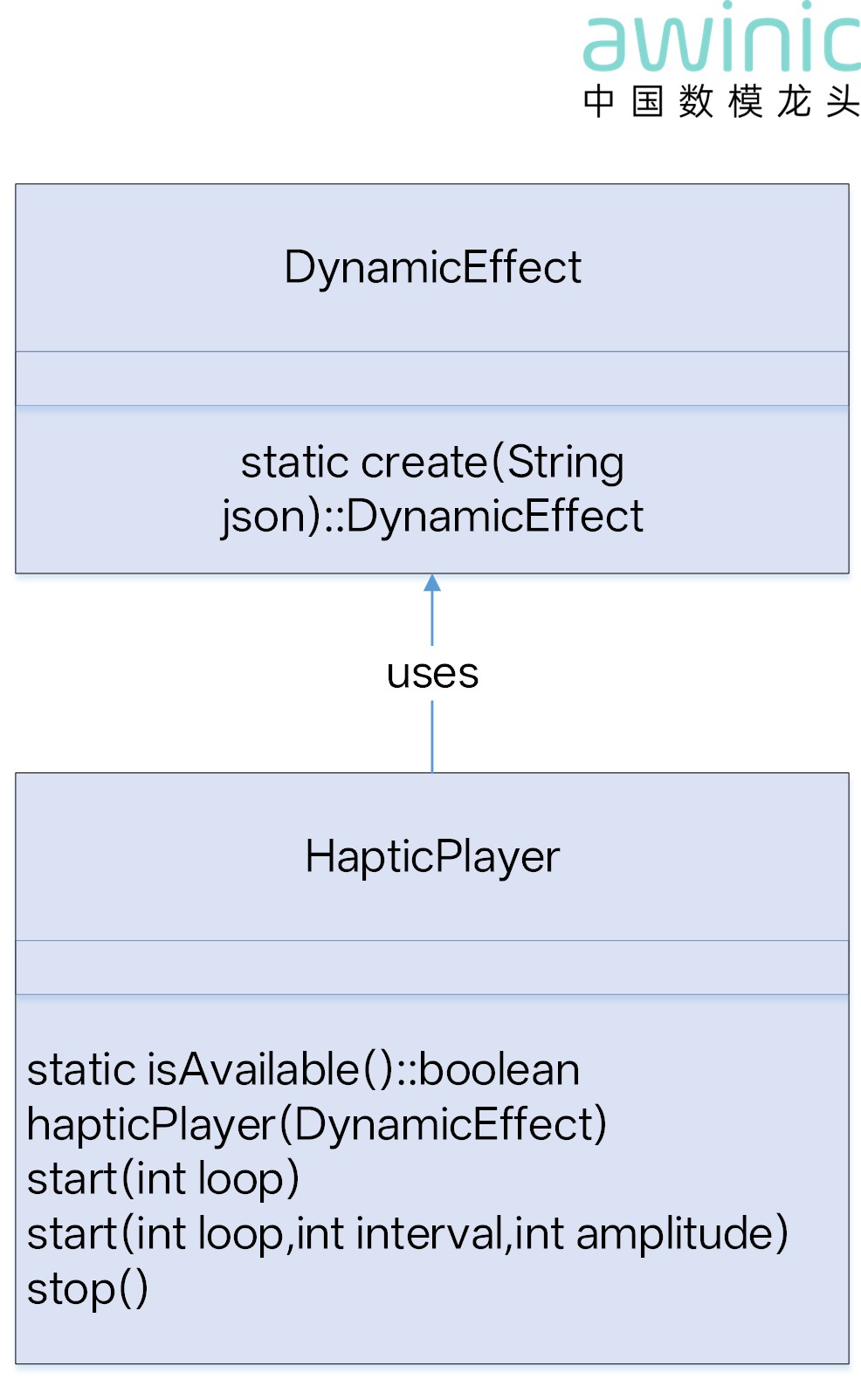
Figure 1: Core Class Relationship Diagram (DynamicEffect is used by HapticPlayer)
IV. Protocol Specification: HE File Format
The IEEE 2861.3 protocol mandates that vibration effects must be described using HE files in JSON format, containing metadata, event sequences, and dynamic curves for the vibration effect. The fields and value ranges for each section are strictly required by the protocol and cannot be arbitrarily modified.
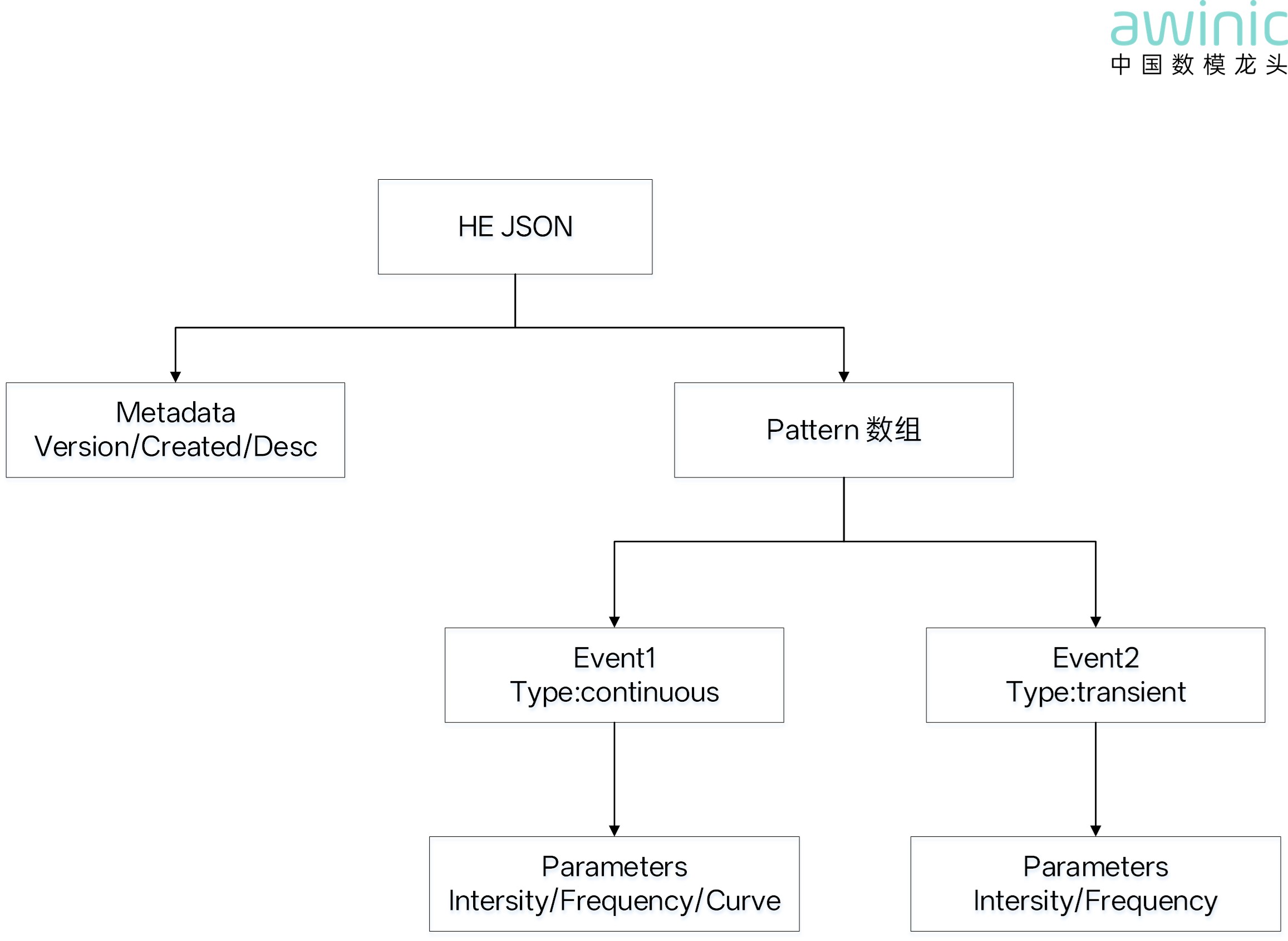
Detailed Explanation of Core HE File Fields
1. Metadata: Describes the basic information of the vibration effect.
-
Version: Version number, used for protocol parsing and version compatibility.
-
Created: Creation timestamp, used for tracking effect creation information.
-
Description: Vibration effect description, used to identify the purpose of the effect.
2. Pattern: An array of events. Each event describes an independent vibration segment.
3. Event: Detailed configuration for a single vibration event, with the following core fields:
-
Type: Event type – "continuous" for long vibrations, "transient" for short vibrations.
-
RelativeTime: The time of the event relative to the start of the HE file, used to control the execution order of multiple events.
-
Duration: For long vibrations only; describes the duration of the vibration.
-
Parameters: Includes Intensity and Frequency, with a value range of [0, 100], corresponding to the hardware's minimum to maximum capabilities.
-
Curve: For long vibrations only; a dynamic curve array used to achieve smooth transitions in vibration effects:
-
Start point: Time = RelativeTime, Intensity must be 0.
-
End point: Time = Duration, Intensity must be 0.
-
Intermediate control points (optional): Intensity value range [0, 1], used to modulate the Intensity in Parameters (multiplicative); Frequency value range [-100, 100], used to modulate the Frequency in Parameters (additive).
V. Industry Value
-
For Developers: With standardized interfaces and HE files, development once covers all Android devices that support the IEEE 2861.3 protocol, eliminating the need for separate adaptations for different manufacturers and significantly reducing R&D and debugging costs.
-
For Device Manufacturers: Unified interface specifications reduce interface development costs for manufacturers. They only need to implement the DynamicEffect and HapticPlayer classes according to the protocol to be compatible with all games and applications developed based on the protocol.
-
For Users: They receive consistent, high-quality haptic feedback across devices, avoiding the problem of "changing devices means changing the haptic experience," and significantly enhancing immersion in mobile gaming.
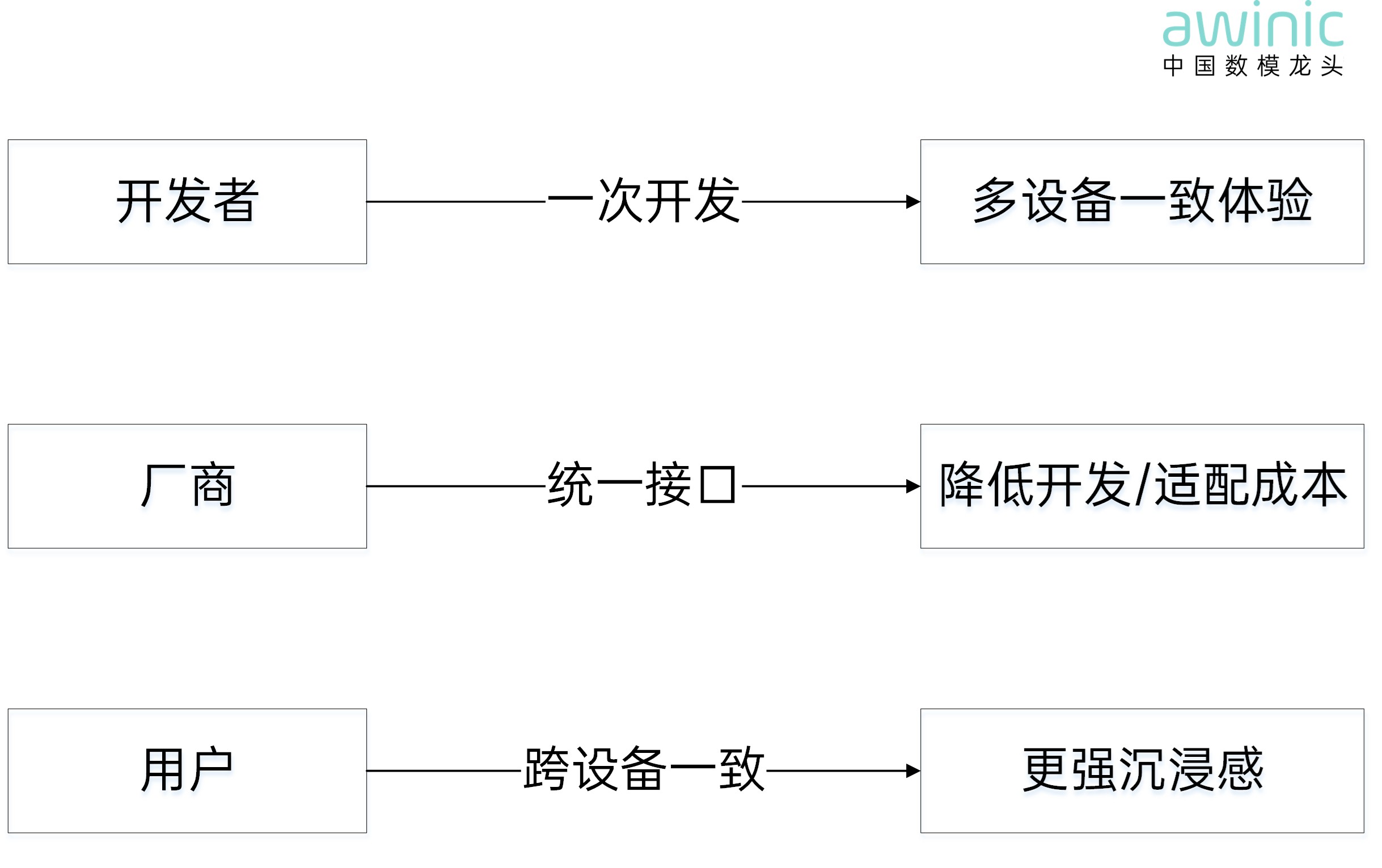
Figure 3: Three-Party Value (Developers / Manufacturers / Users)
VI. Hardware-Level Standard Implementation: Awinic AW8625X Series Chips Enable Full-Protocol Implementation
As a core contributing company to the IEEE 2861.3 international standard, Awinic not only participated in the development of the standard framework but also achieved a closed-loop implementation of the standard from software protocols to underlying hardware: its AW8625X series haptic driver chips represent the industry's first integration of the IEEE 2861.3 protocol into chip hardware, and are currently the dedicated haptic driver chips for mobile devices that are adapted to this international standard.
Most industry solutions rely solely on system platforms and software code to parse the IEEE 2861.3 protocol and adapt waveforms, which consumes host CPU computing power, system memory, and other platform resources, and also suffers from high software parsing latency and high overall system power consumption. In contrast, the Awinic AW8625X hardens the protocol logic in hardware, offloading the standard interface, HE file parsing, and vibration curve computation entirely to the chip's hardware layer. This delivers multiple core benefits to industry chain customers:
-
Ultimate Offloading and Significant Reduction in Platform-Side Adaptation Workload – The chip hardware natively supports all interfaces and HE file formats of the IEEE 2861.3 protocol. Device manufacturers and solution customers do not need to develop or debug complex protocol parsing code at the system level, nor do they need to adapt the underlying logic of the DynamicEffect and HapticPlayer interfaces. Standard access requires zero additional software development, truly enabling plug-and-play compatibility with the IEEE 2861.3 standard upon chip power-on, bypassing lengthy protocol adaptation and debugging processes.
-
Saves Terminal Platform Computing Power and System Resources – Protocol parsing and vibration parameter computations are entirely handled by the AW8625X chip hardware, consuming no host CPU or system DSP memory resources. This frees up platform computing power for core tasks such as game graphics rendering and algorithm computations, avoiding vibration stutter or frame drops in multi-tasking scenarios.
-
Hardware-Level Low Power Consumption, Optimizing Overall Device Battery Life – Compared to software-based polling parsing solutions, the ASIC hardware-hardened path achieves higher execution efficiency, intelligently modulating motor driver output and protocol message scheduling on demand. While ensuring native high-quality vibration output compliant with the IEEE 2861.3 standard, it reduces overall device power consumption in gaming haptic scenarios, alleviating battery drain and heating issues in mobile gaming.
-
Full-Scenario Standard Adaptability, Amplifying the Advantages of Standardization – Leveraging the AW8625X's mature LRA/ERM motor compatibility and the unified IEEE 2861.3 protocol, it perfectly supports standardized HE vibration waveforms from games. Combined with Awinic's proprietary awinicTikTap® haptic algorithm, it further amplifies the standard's advantages, ensuring that different motor hardware models can deliver consistent, high-fidelity game vibration feedback. This fundamentally resolves the industry pain points of fragmented vibration experiences and the need for repetitive parameter tuning across multiple models.