With 16 years of deep expertise in the LED driver field, AWINIC Technology has built a full-scenario "AWINIC Light Language" product portfolio covering 3 to 216 channels, widely applied in consumer electronics, industrial connectivity, and automotive electronics. Leveraging core technologies such as autonomous breathing effects, Munsell color-changing breathing, and music-sync lighting, AWINIC provides customers with differentiated high-end lighting solutions.

Figure 1 Application scenario diagram
With the advancement of automotive intelligence, high-quality ambient lighting has become a core element of interior design. AWINIC Technology officially launches the automotive-grade 216-channel LED matrix driver chip AW20216EQPY-Q1, which can drive up to 216 individual LEDs or 72 RGB groups with a single chip, providing an efficient integrated solution for automotive interior ambient lighting, surface light sources, grille lights, ISD interactive taillights, starlight headliners, and other applications.
Four Core Advantages, Redefining the In-Vehicle Lighting Experience:
1. High Integration, Significantly Reducing System Cost
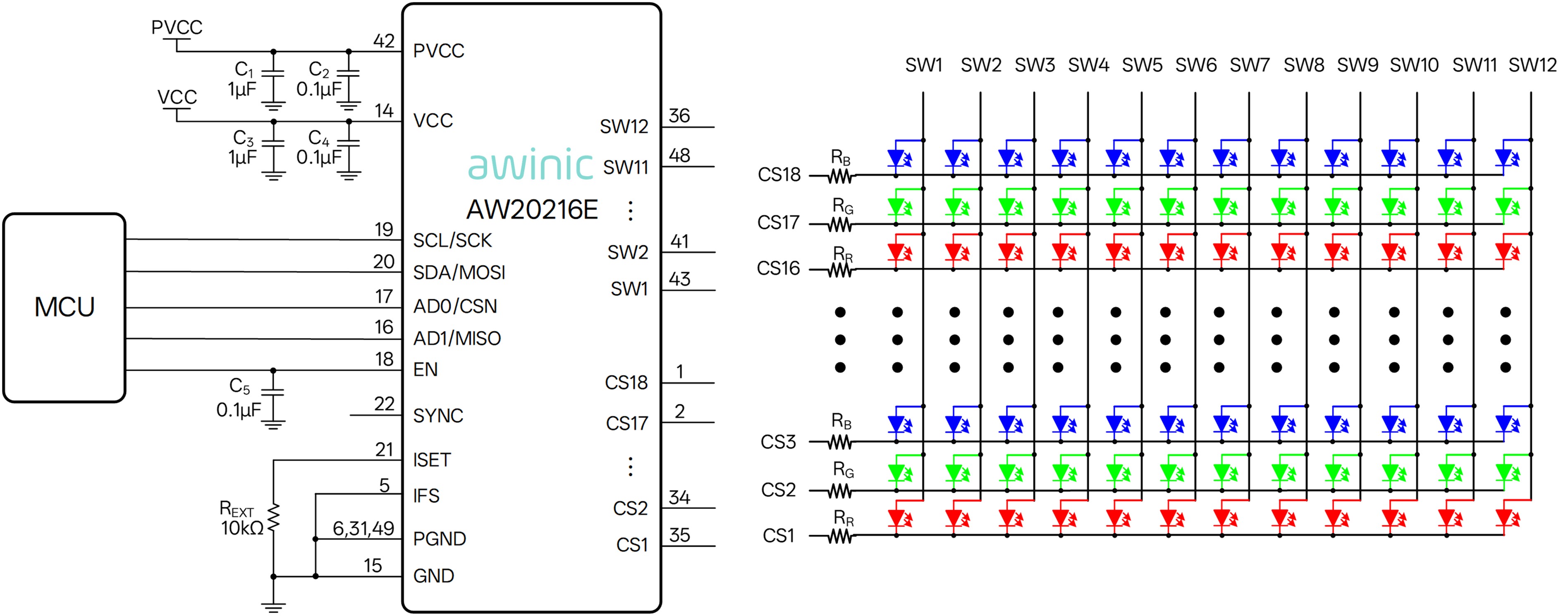
Adopting an 18×12 constant-current matrix architecture, the single chip achieves 216-channel LED driving capability. Compared with traditional solutions using multiple drivers with fewer channels, it greatly simplifies PCB design, reduces the number of components, and significantly lowers system BOM costs and assembly complexity.
Figure 2 AW20216EQPY-Q1 typical application diagram
2. Built-in Automatic Breathing Engine, Freeing Up Host Controller Resources
Integrates 3 independent automatic breathing engines, capable of achieving smooth and delicate fade-in/fade-out lighting effects without any intervention from the host MCU. This not only saves valuable host controller resources but also reduces overall system power consumption.
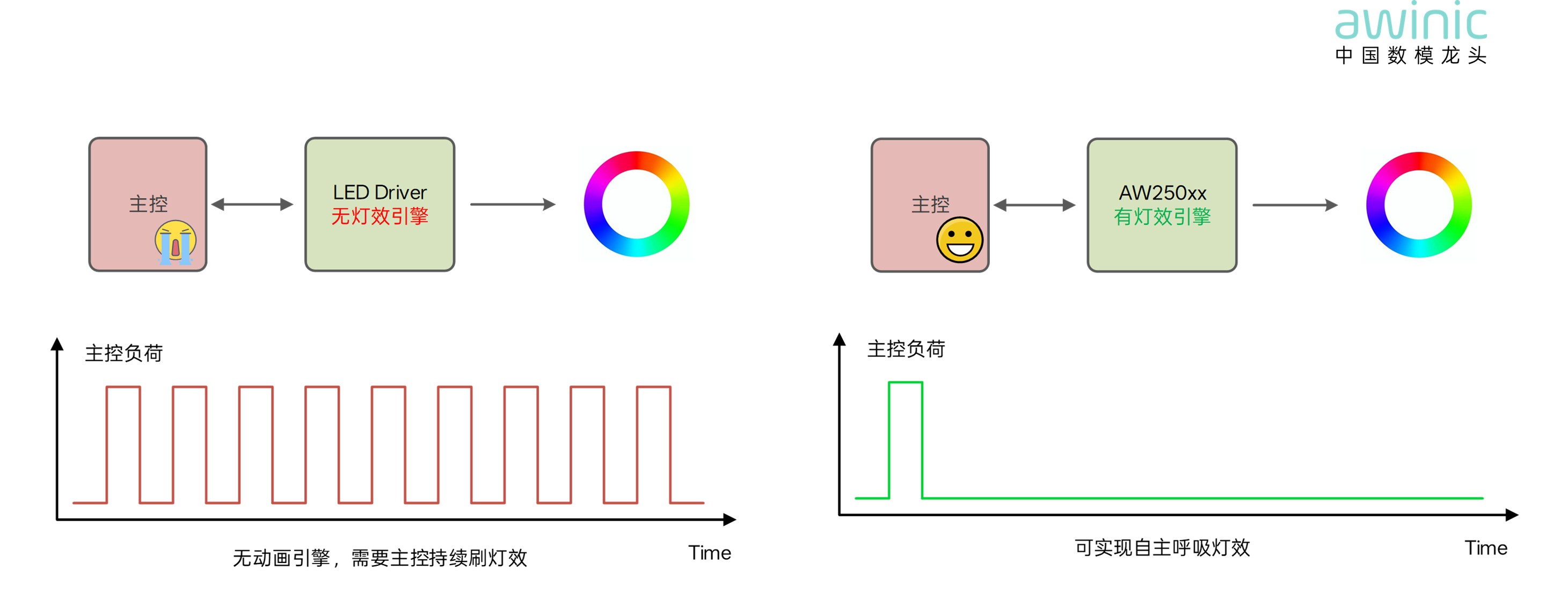
Figure 3 AW20216EQPY-Q1 built-in automatic breathing lighting engine
3. Adjustable Multi-level Negative Voltage Ghosting Elimination, Protecting LED Lifespan
To address the common ghosting issue in matrix driving (dim illumination of non-targeted LEDs), the AW20216 adopts innovative multi-level negative voltage regulation technology. Compared with the industry-standard fixed negative voltage solution, it can precisely control the reverse voltage across each LED, completely eliminating ghosting while avoiding LED damage caused by excessive negative voltage, thereby greatly improving product reliability and service life.
4. Hardware-Level Open/Short Circuit Diagnosis, Improving Production Efficiency
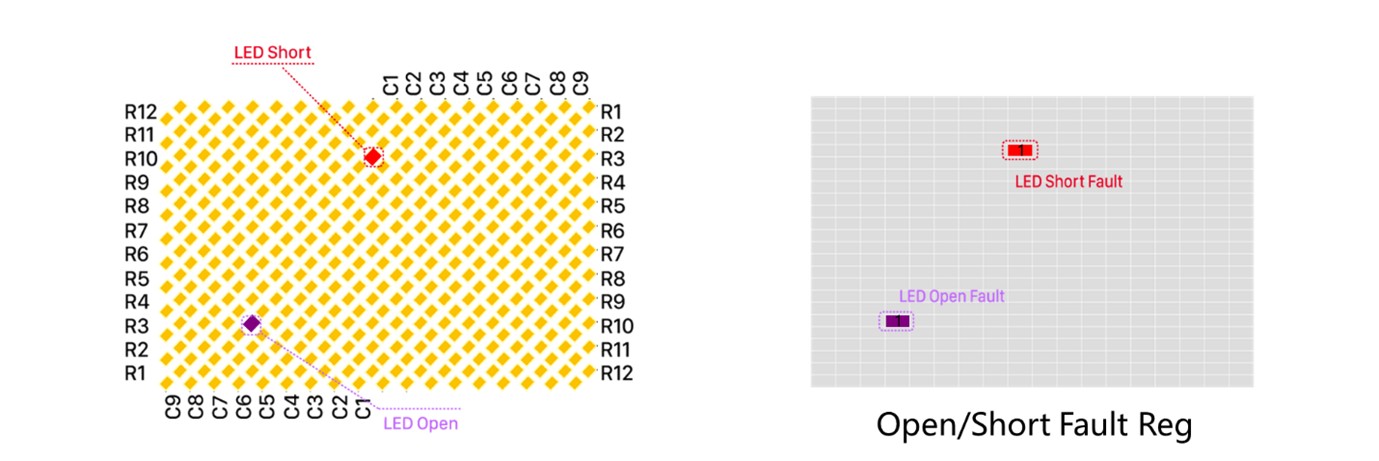
Features a built-in full-channel open/short circuit abnormality diagnostic function. After SMT soldering is completed, the chip can automatically detect the connection status of each LED channel and store the results in registers for host reading. This completely replaces manual visual inspection, eliminates misdetection caused by human eye fatigue, significantly reduces labor costs, and improves production yield.
Figure 4 Rapid diagnosis of LED open/short circuit abnormalities
Key Chip Features
AEC-Q100 Grade 1 qualified
18 × 12 matrix, 216-channel LED driver
256-level global current
256-level independent DC constant-current dimming
256-level independent PWM dimming
Imax 100mA, adjustable via Rext
3 independent automatic breathing engines, no host MCU control required
Low EMI & whine/noise suppression
Open/short circuit abnormality diagnosis
Multi-level negative voltage ghosting elimination, preventing LED damage
1MHz I2C / 10MHz SPI
Operating temperature: -40°C to +125°C
Package: QFP 7mm×7mm-48L
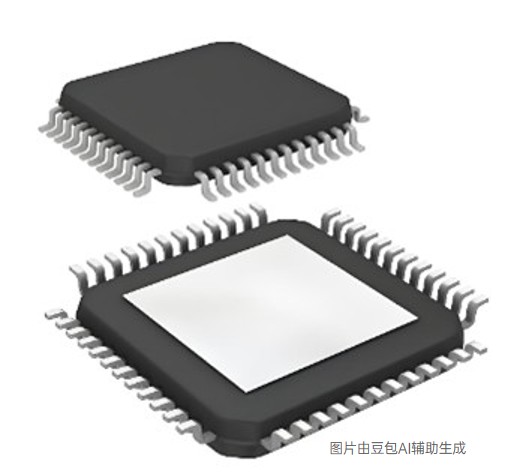
Figure 5 Package drawing
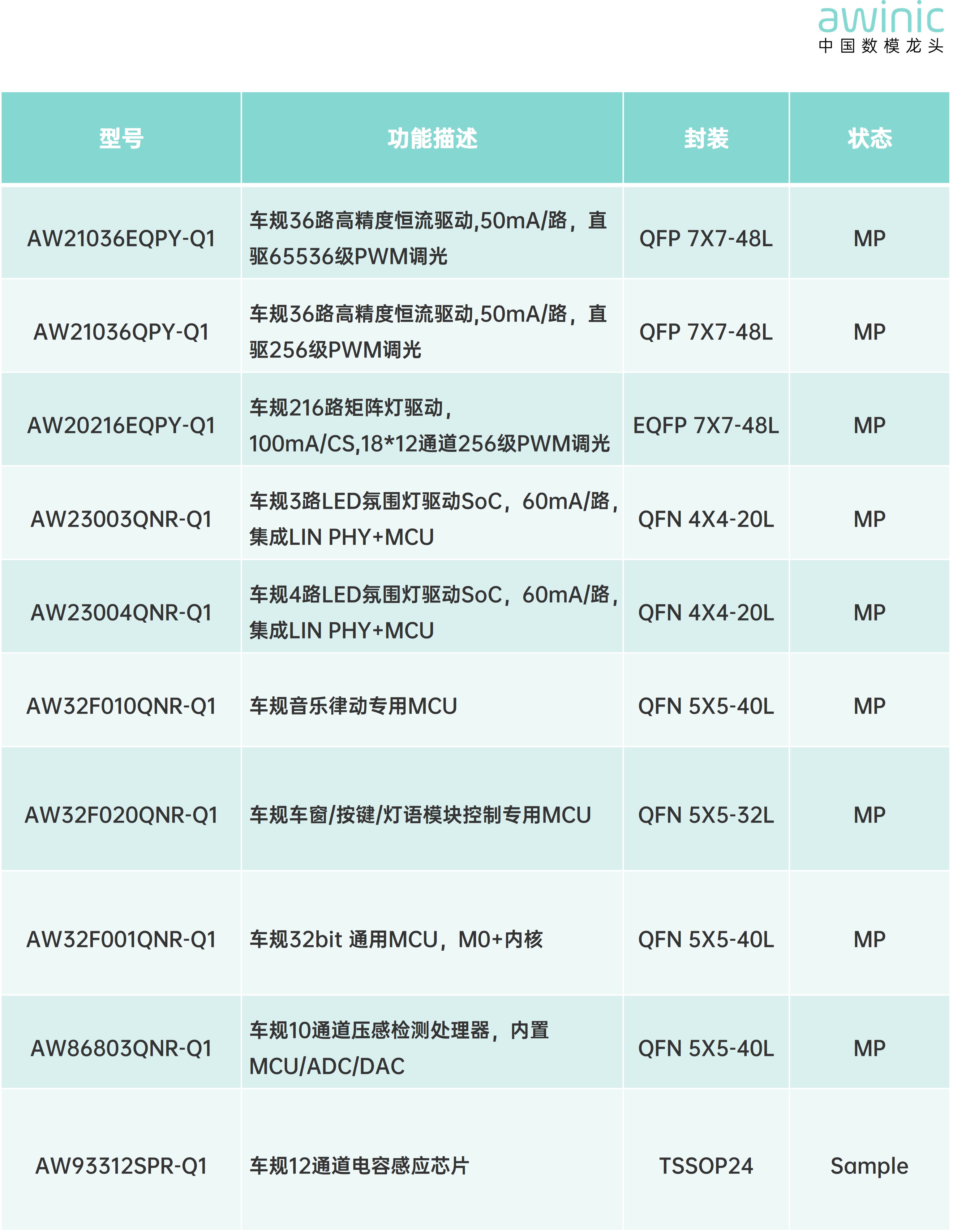
Table 1 AWINIC Automotive Light Language Selection Guide