Those Stolen Moments
“On a weekend, the living room was filled with the aroma of freshly baked cookies. Grandpa Zhang saw his grandson running towards him holding building blocks, the little mouth opening and closing urgently, but he simply couldn't make out what the child needed. It wasn't until the child stuffed the blocks into his hand that he understood the request was to build a castle. Yet, those few seconds of silence had already dimmed the light in his grandson's eyes.”
In that moment of "not hearing clearly," what was missed wasn't just a request, but a moment of intimate connection the child was eagerly anticipating.
"The hospital waiting area was noisy. Uncle Li stared intently at the queue number screen, his eyes strained. He faintly heard the announcement call a few characters that sounded like his number, but he wasn't sure. While he hesitated, the next number was called. He hurriedly went to ask the nurse, only to find out he had indeed missed his turn. The nurse said impatiently, 'We called it several times, listen carefully next time.' All he could do was apologize repeatedly and wait again."
"Not hearing clearly" cost him not only extra time but also brought a sense of being misunderstood in a public setting.

These moments stolen by "inability to hear" hide the helplessness experienced by those with hearing impairments when trying to connect with the world. "Hearing," however, is never just the simple act of the ear receiving sound. It is the key to dialogue between the individual and society, the bond that maintains emotional warmth, the foundation for a dignified life, and the most crucial connection between a person and the world.
September 28, 2025, marks the 68th International Day of the Deaf. According to World Health Organization data, over 1.5 billion people globally experience some degree of hearing loss, among whom 430 million have moderate or higher hearing loss. In China, the number of people with hearing disabilities exceeds 27.8 million. It is projected that by 2050, the number of people affected by hearing issues will rise to 2.5 billion.
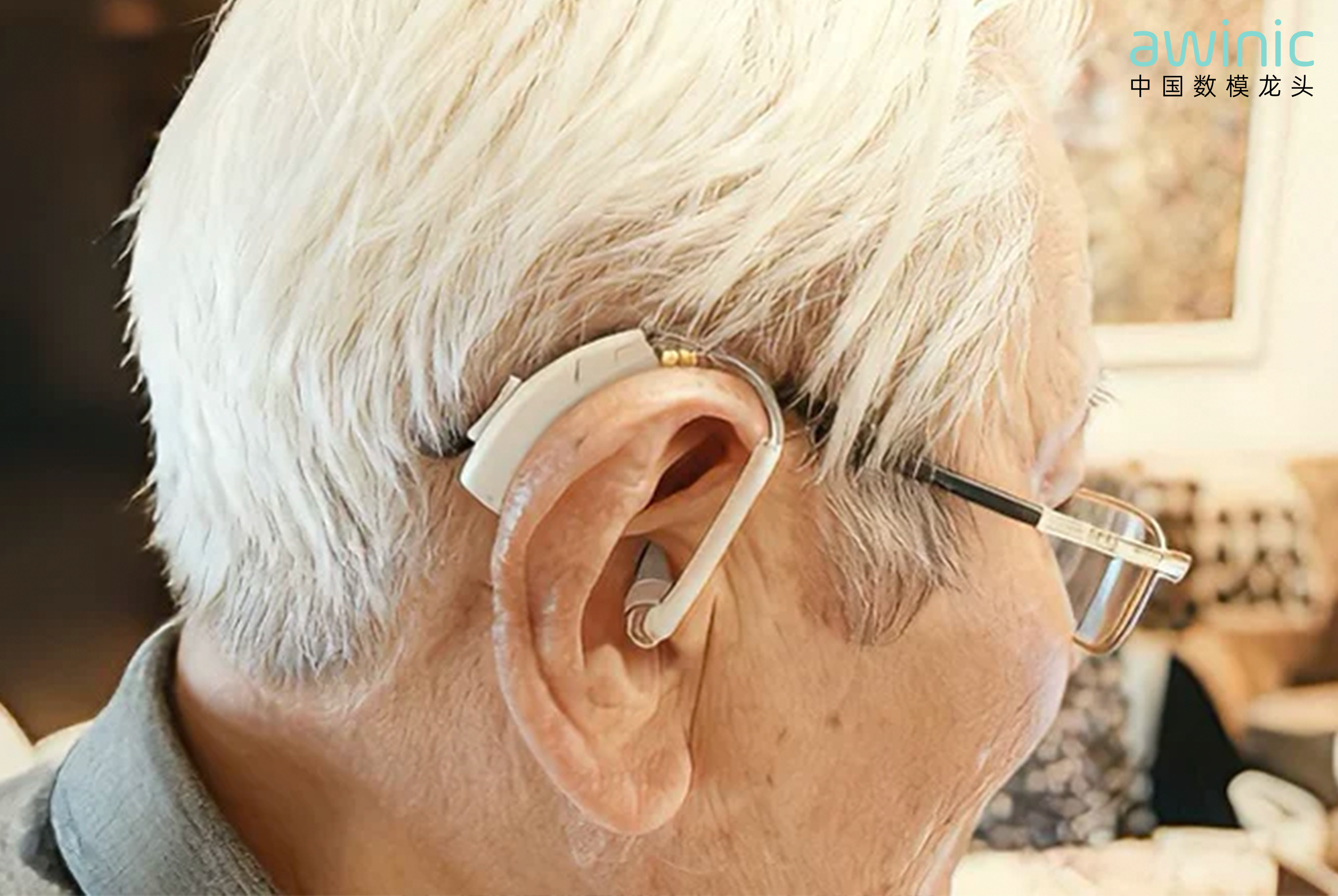
As more and more people find themselves excluded from daily conversations, public announcements, and family communication due to the "inability to hear," a tool that can rebuild these connections becomes an urgent necessity for them.
As one of the most effective interventions currently available for improving hearing impairment, the role of hearing aids far exceeds simply amplifying sound. A professionally fitted and properly adjusted hearing aid can fundamentally change the lives of individuals with hearing loss, helping them rebuild their connection to the world and enhancing their overall quality of life.
What is a Hearing Aid?
It doesn't crudely amplify all sounds by dozens of decibels (dB). Instead, it acts like a precise "signal filter" – in noisy environments, it separates the "useful signals" from the "cosmos of noise" like traffic and crowd sounds, then adjusts them to just the right volume for the cochlea.
What it solves is never the cold number represented by "dB," but those everyday "misses" – the missed bus stop, the missed call, the missed peace of mind. The hearing aid, through nuanced technology, helps individuals with hearing impairment turn these "misses" back into "just in time."
The most direct and core value of a hearing aid lies in significantly enhancing the user's communication and social abilities. They no longer need to avoid social activities for fear of not hearing clearly, but can actively participate in various social interactions, building closer connections with family, friends, and colleagues. This positive social interaction not only enriches their spiritual life but also allows them to feel the warmth of being understood and accepted, thereby effectively breaking the "silent dilemma" formed by hearing impairment.
Awinic Hearing Aid Application Solution
Awinic Electronics, a leading Chinese analog and mixed-signal IC company, has been deeply involved in audio products for over 15 years. Always anchored in technology, Awinic focuses on honing core products. Its key products, including audio amplifiers, mixed-signal products, and power management products, provide critical support for the stable operation and performance upgrade of hearing aids.
Hearing Aid Application Block Diagram
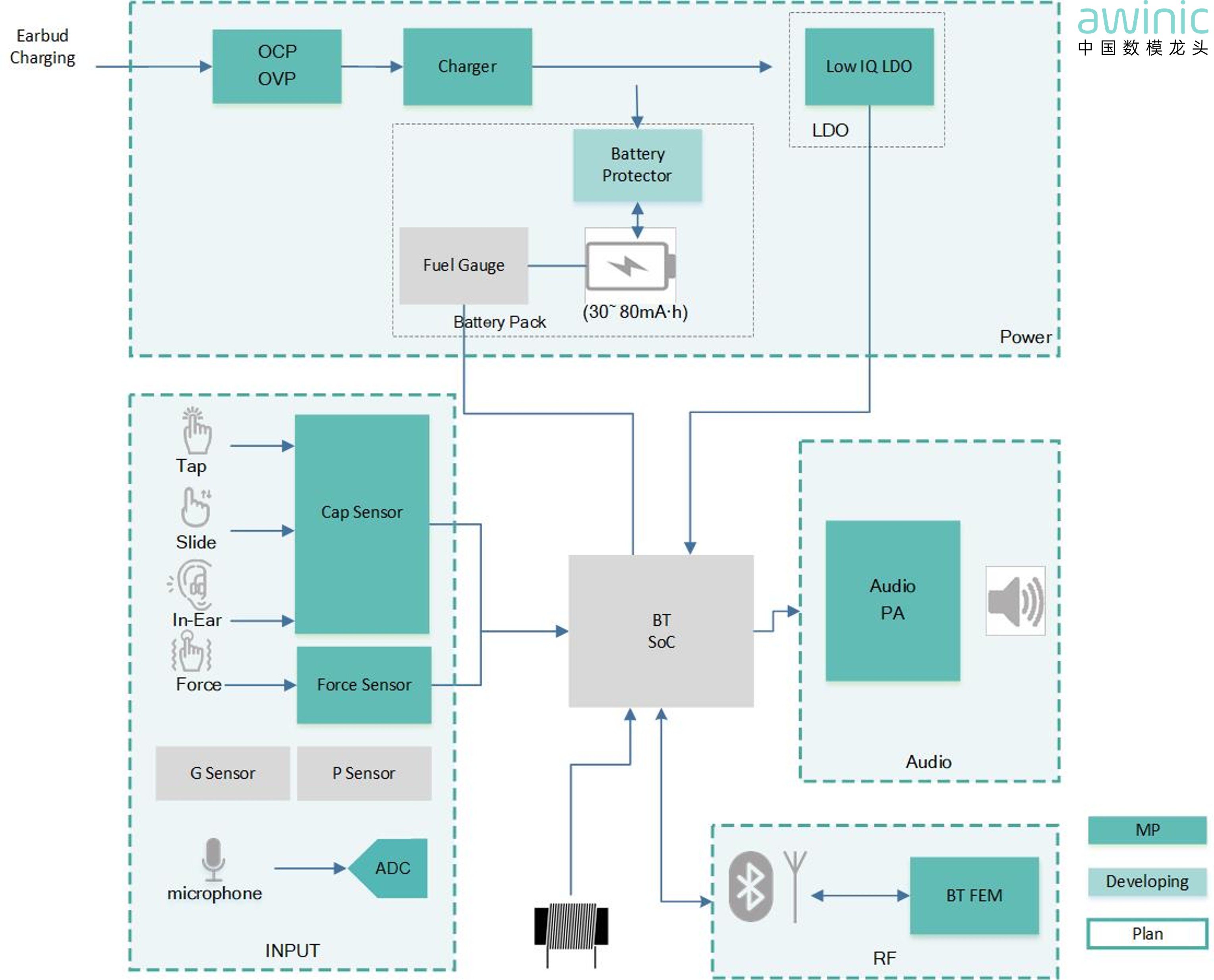
Figure 1 Hearing Aid End Application Block Diagram
Hearing Aid End Component Recommendations
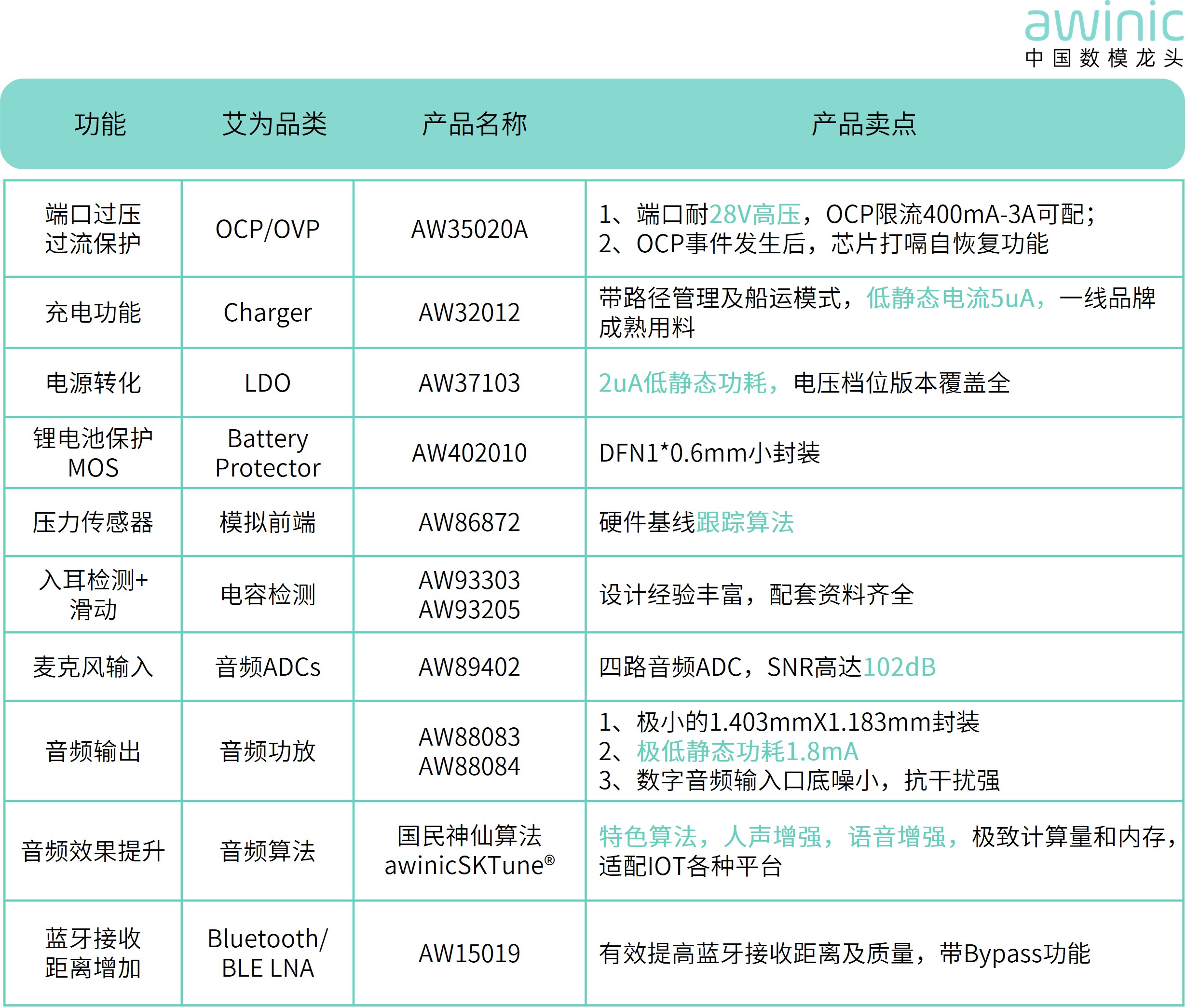
Table 1 Hearing Aid End Component Recommendations
Hearing Aid Charging Case/Dock Application Block Diagram
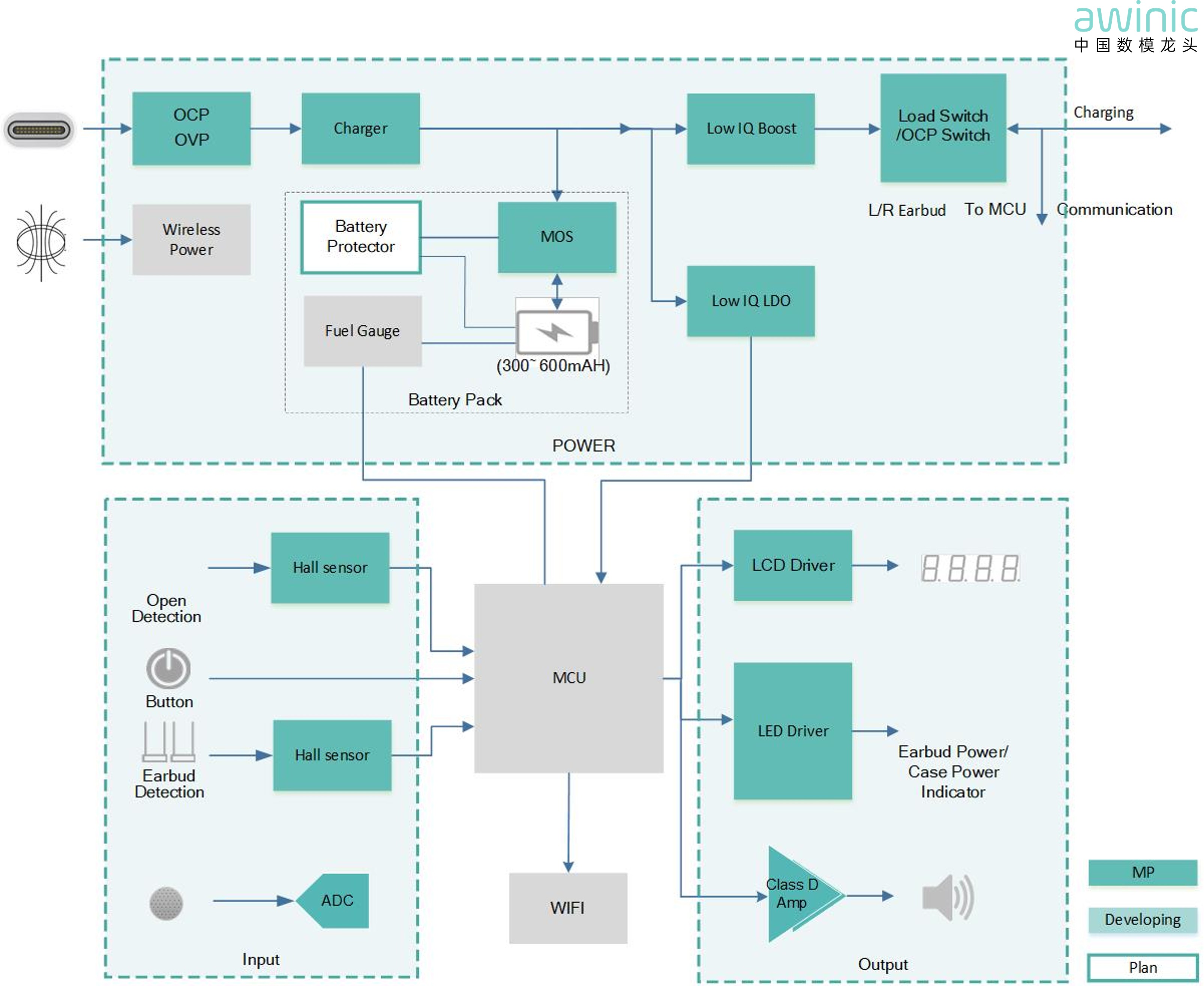
Figure 2 Hearing Aid Charging Case/Dock Application Block Diagram
Hearing Aid Charging Case/Dock Component Recommendations
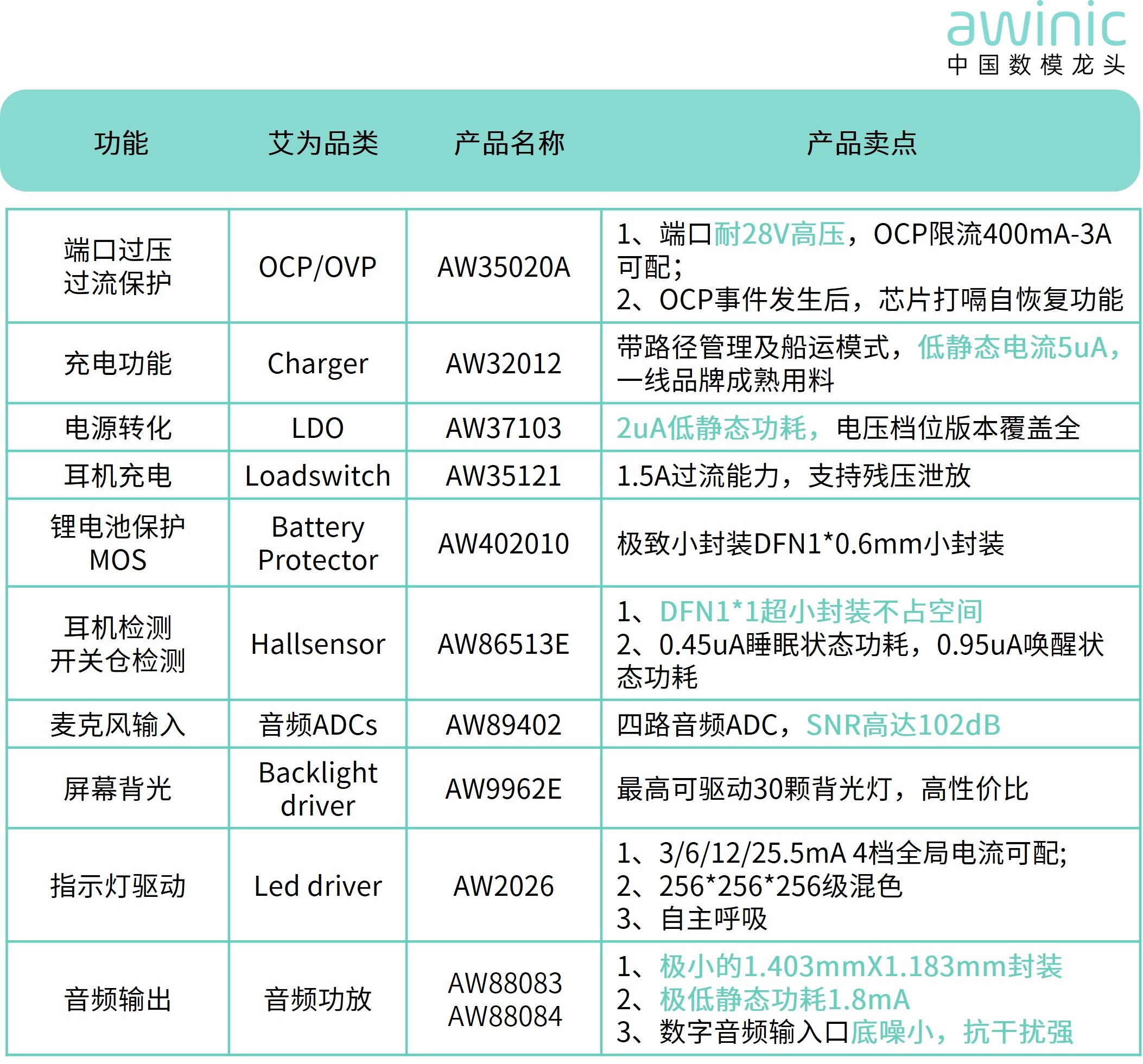
Table 2 Hearing Aid Charging Case/Dock Component Recommendations
Key Recommended Component: AW88083
Features ultra-low power consumption, flexible control, ultra-low EMI, and an ultra-small package. For details, see: [New Product Release] The Ultra-Low Power, Ultra-Small Size AW88083 Digital Audio Amplifier Series is Here!
Technology should not be about cold specifications, but a bridge for conveying warmth and care. Awinic Electronics, a leading Chinese analog and mixed-signal IC company, always driven by technological innovation, is committed to jointly advancing the hearing aid industry towards greater intelligence, personalization, and comfort. With solid "core" strength, we make sound more authentic and the world closer.
Learn more about product details and datasheets at:
https://www.awinic.com/cn/search/all?titleSearch=Hearing%20Aid
Contact Us:
Tel: 021-54271166
Email: sales@awinic.com