In today’s rapidly developing automotive electronics industry, efficient, stable, and reliable power management solutions are of crucial importance. As automotive electronic systems become increasingly complex, the requirements for power regulators are also rising. AW37283BXXX-Q1, an automotive-grade low-dropout linear regulator (LDO) specifically designed for automotive electronics, features a wide input voltage range, low dropout voltage, ultra-low quiescent current, and multiple protection functions. With its outstanding performance, rich features, and strict automotive-grade certifications, AW37283BXXX-Q1 provides a reliable solution for the automotive electronics field.
AW37283BXXX-Q1 Product Introduction
Features
-
AEC-100 Grade 1 certified
-
Wide input voltage range: 3.5V ~ 40V
-
Output driving capability: 300mA
-
Ultra-low quiescent current: 13µA
-
Full-temperature output voltage accuracy: ±2%
-
Low dropout voltage:
-
275mV (IOUT = 300mA, VOUT = 3.3V)
-
260mV (IOUT = 300mA, VOUT = 5V)
-
PSRR: 65dB (IOUT = 10mA, freq = 100Hz)
-
Fixed output voltages: 3.3V, 5V
-
Adjustable output voltage (1.25V ~ 15V) via external resistors R1 and R2
-
EN pin with 42V voltage tolerance, usable for power-on sequence control
-
Power Good indication function with programmable delay
-
Built-in overcurrent protection and overtemperature protection
-
Built-in short-circuit current limiting foldback protection (short-circuit current limit: 130mA)
-
Operating junction temperature range: -40°C ~ 150°C
-
Package: ESOP-8L
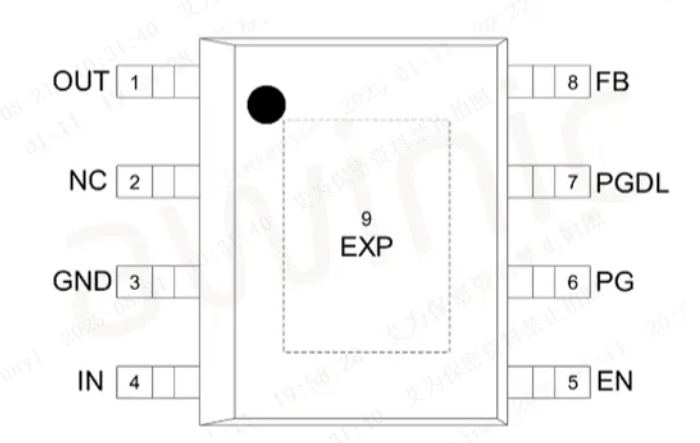
Figure 1: Pin Information of AW37283BXXX-Q1
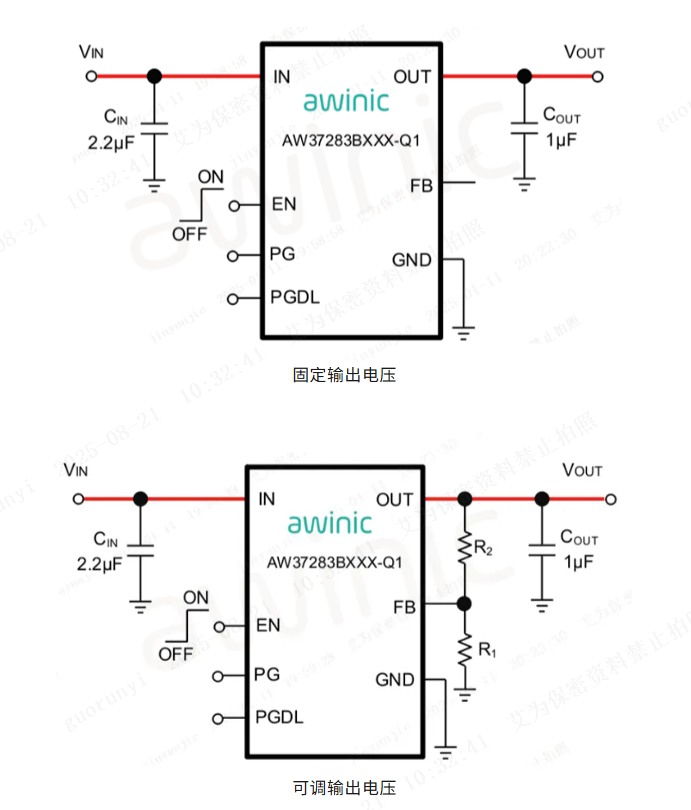
Figure 2: Typical Application Diagram of AW37283BXXX-Q1
Product Advantages
Ultra-Low Dropout Voltage
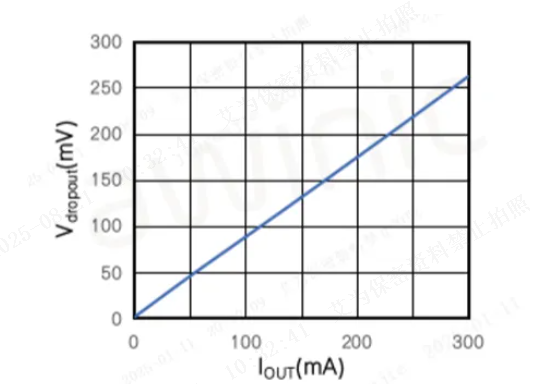
AW37283BXXX-Q1 boasts an extremely low dropout voltage characteristic: when VOUT = 3.3V and IOUT = 300mA, Vdropout = 275mV; when VOUT = 5V and IOUT = 300mA, Vdropout = 260mV. This means it can still maintain a stable output voltage even when the difference between the input voltage and output voltage is very small. This feature enables AW37283BXXX-Q1 to perform excellently in low-dropout applications, maximizing power efficiency and reducing power consumption.
Figure 3: Dropout Curve of AW37283BXXX-Q1
Fast Transient Response Capability
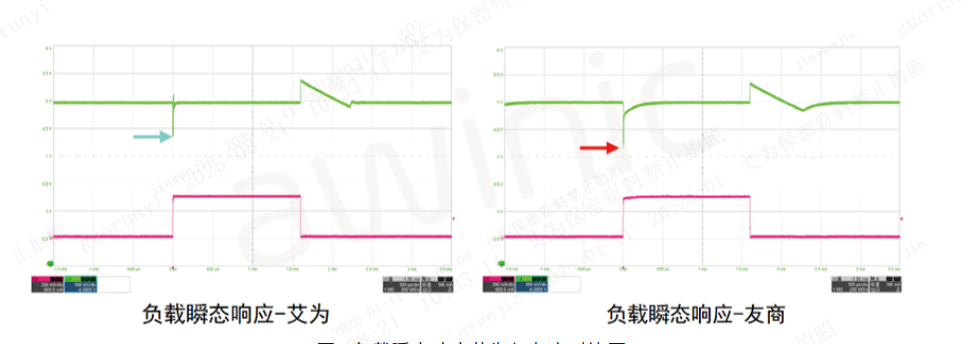
Common operating conditions in automobiles, such as cold start, auto start-stop, and load dump, not only require LDOs to have a wide input voltage range to prevent chip damage but also demand fast transient response performance to provide stable voltage for the subsequent output stage. AW37283BXXX-Q1 delivers fast transient response: whether the input voltage jumps or the load current changes abruptly, the LDO can quickly adjust its output voltage to maintain stable power output. This excellent transient response characteristic makes AW37283BXXX-Q1 more suitable for power management applications that require high stability and reliability.
Figure 4: Comparison of Load Transient Response Between Awinic and Competitors
High Reliability
Foldback Current Limiting Protection
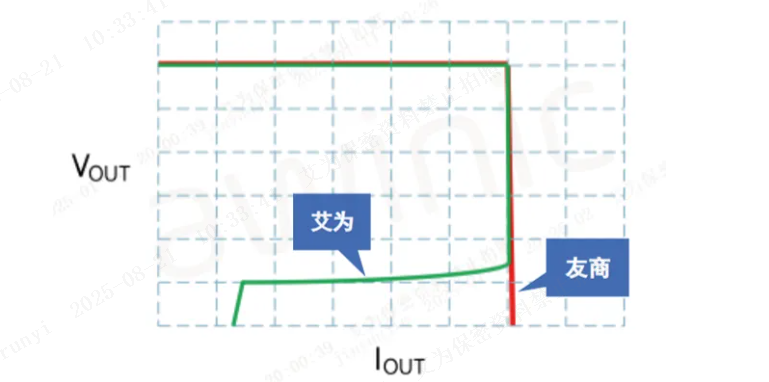
Automobiles are equipped with a large number of electronic control modules and sensors, which have high requirements for power stability. When an abnormal short circuit occurs in the subsequent load, AW37283BXXX-Q1 can implement foldback current limiting to timely restrict the output current, significantly reducing the power dissipation of the chip during short circuits and preventing component damage caused by excessive current.
Figure 5: Comparison of Current Limiting Protection Between Awinic and Competitors
Startup Power Control
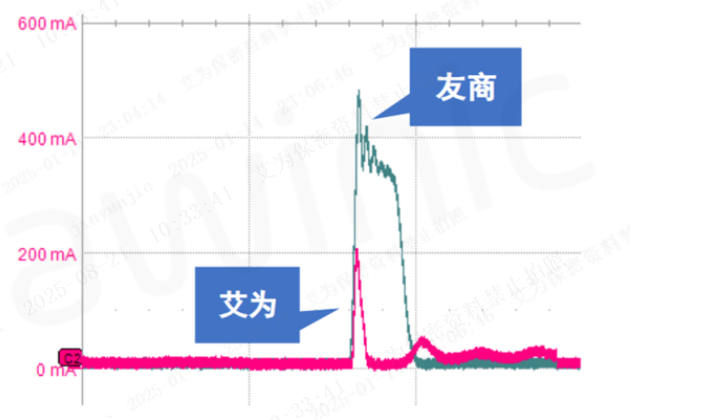
Automotive electronic systems are becoming increasingly complex and sophisticated. Reducing the startup inrush current is crucial to ensuring the stable operation of the entire system. Through startup power control, AW37283BXXX-Q1 reduces the inrush current during startup, avoiding chip damage due to excessive power at the moment of startup and helping to maintain power stability.
Figure 6: Comparison of Startup Inrush Current Between Awinic and Competitors
These advantages enable the LDO to play an important role in automotive electrical systems, providing strong support for the safe and stable operation of vehicles. With the continuous development and popularization of new energy vehicle technology, the application prospects of LDOs in the automotive electronics field will be even broader.
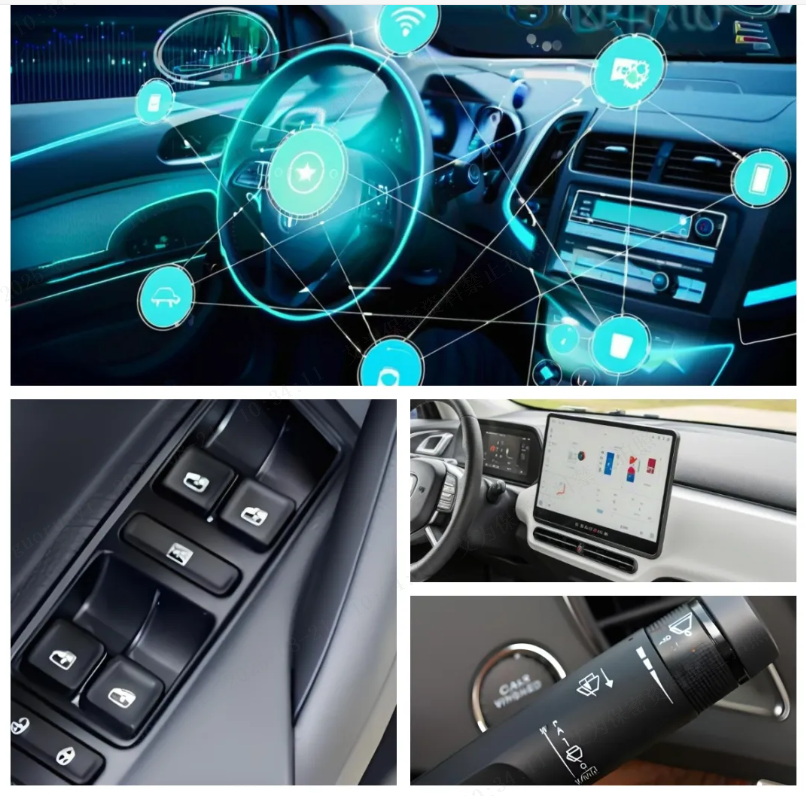
Application Scenarios
-
In-Vehicle Infotainment (IVI)
-
Automotive BCM (Body Control Module)
-
T-BOX (Telematics Box)
-
Instrument Cluster Display
-
Window Control
-
Tailgate Control
-
Windshield Wiper Control
-
Air Conditioning Control
Figure 7: Application Scenarios
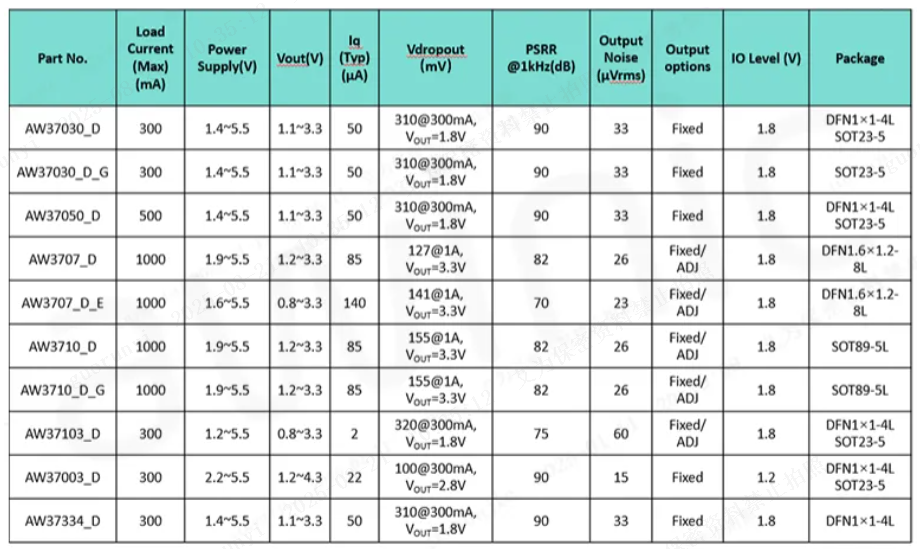
LDO Product Selection Table
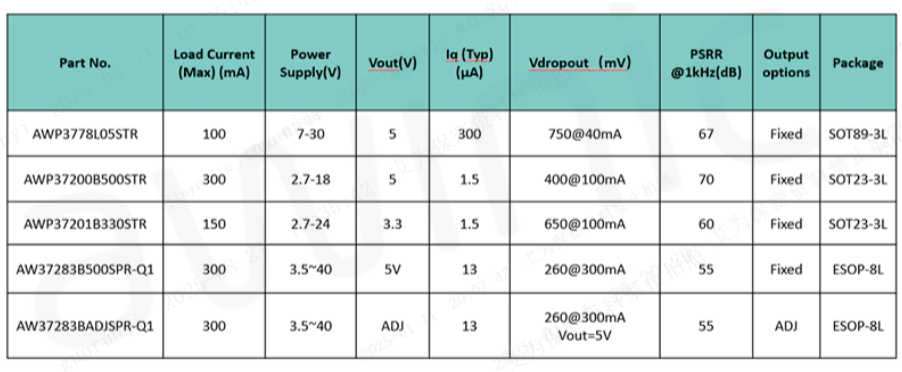
Table 2: Mid & High VIN LDO
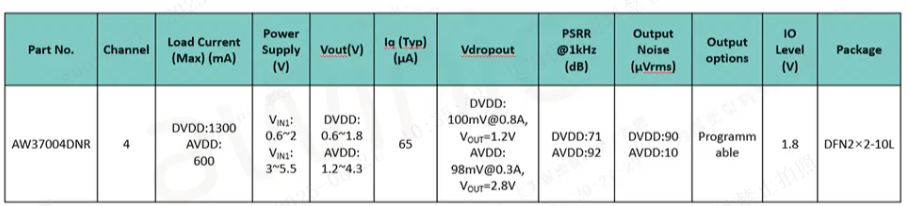
Table 3: LDO PMIC
For more exciting content, please visit: