Driven by the wave of automotive intelligence and electrification, in-vehicle audio systems are accelerating their development toward high fidelity, high power, and high reliability. Whether it is the demand for acoustic upgrades to quiet cockpits in new energy vehicles or the pursuit of multi-channel surround sound in high-end in-vehicle entertainment systems, power amplifier chips are facing unprecedentedly strict challenges in terms of power output and long-term stable operation.
Last year, Awinic launched the 10W/22W analog audio chip AW8361xTSR-Q1 series for T-Box/AVAS systems. This product has successfully entered mass production and gained wide recognition in the industry. Building on the success of the AW8361xTSR-Q1 series, Awinic continues to deepen its focus on the in-vehicle audio field and now officially releases the all-new medium-to-high power automotive power amplifier chip AW85601QPR-Q1 for intelligent cockpit audio systems.
This chip has passed the automotive-grade AEC-Q100 Grade 2 certification, featuring 4-channel output with a maximum output power of 80W per channel. It supports functions such as low latency (110μs@48Kfs), high bandwidth (20~80K), and multi-mode spread spectrum.
Optimized for intelligent cockpit audio systems, this product fills the technical gap in the domestic field of high-power automotive-grade audio power amplifiers with LC post-feedback. It boasts high-performance audio output with a peak power of 170VA; its low-noise and low-latency characteristics support advanced acoustic solutions such as ANC (Active Noise Cancellation) and RNC (Road Noise Cancellation). Combined with real-time load diagnosis, it ensures system stability and safety. The single-power-supply design simplifies wiring, and the top heat dissipation package meets the harsh requirements of the automotive environment, helping automakers achieve lightweight and intelligent goals.
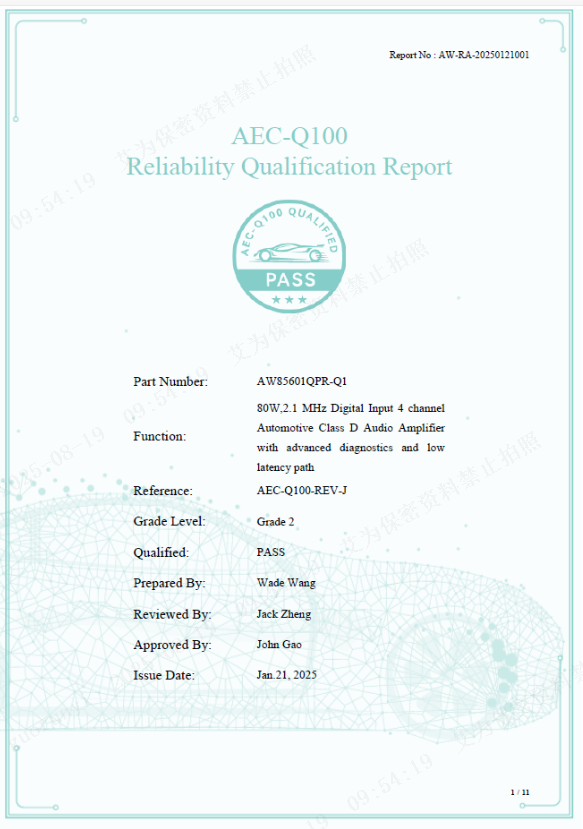
Figure 1: AW85601QPR-Q1 AEC-Q100 Certification Report
Product Introduction
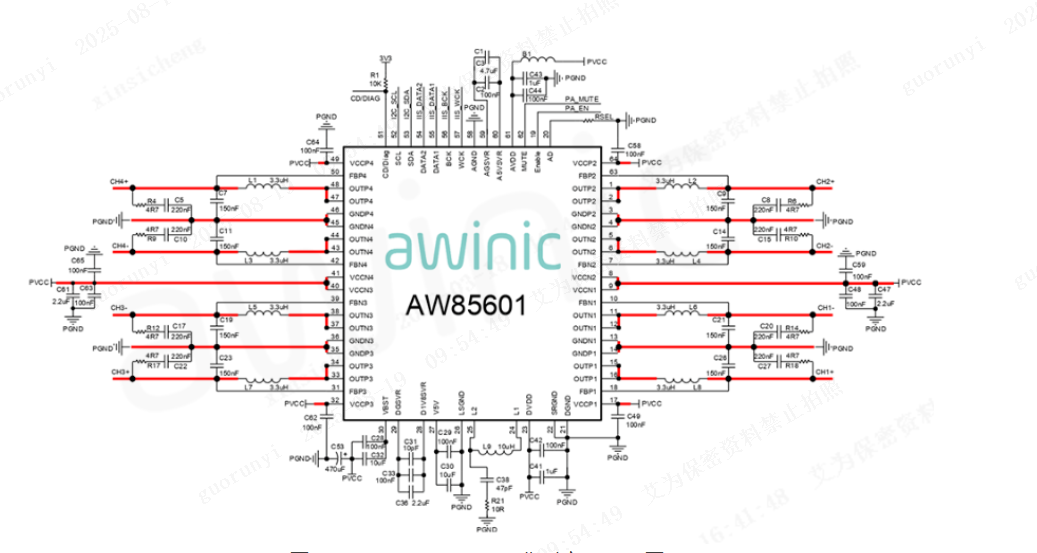
Figure 2: Typical Application Schematic of AW85601QPR-Q1
Key Features
-
Supply Voltage: 4.5V ~ 25V
-
Audio Input Interface:
-
Supports I2S/4/8/16 slots TDM
-
Supports 44.1/48/96/192kHz sampling rates
-
Output Power:
-
4X23W @ 4Ω, 14.4V, THD+N=1%
-
4X29W @ 4Ω, 14.4V, THD+N=10%
-
4X48W @ 2Ω, 14.4V, THD+N=10%
-
4X80W @ 4Ω, 25V, THD+N=10%
-
Ultra-Low Noise: 11μV, A-weighting, GV=GV1
-
Ultra-Low Distortion: THD+N=0.01% at 1kHz, Po=1W
-
Low-Latency Mode Support: 110μs
-
Load Diagnosis Support: AC/DC diagnosis, real-time open-circuit diagnosis, Short to PVDD, Short to GND
-
Output Current Monitoring Support:
-
Multiple EMI Optimization Methods: Triangular spread spectrum, random spread spectrum, 2.1M modulation frequency, edge rate adjustment
-
Protection Functions: Load dump protection, overcurrent/overvoltage protection, input/output DC offset protection, clipping detection
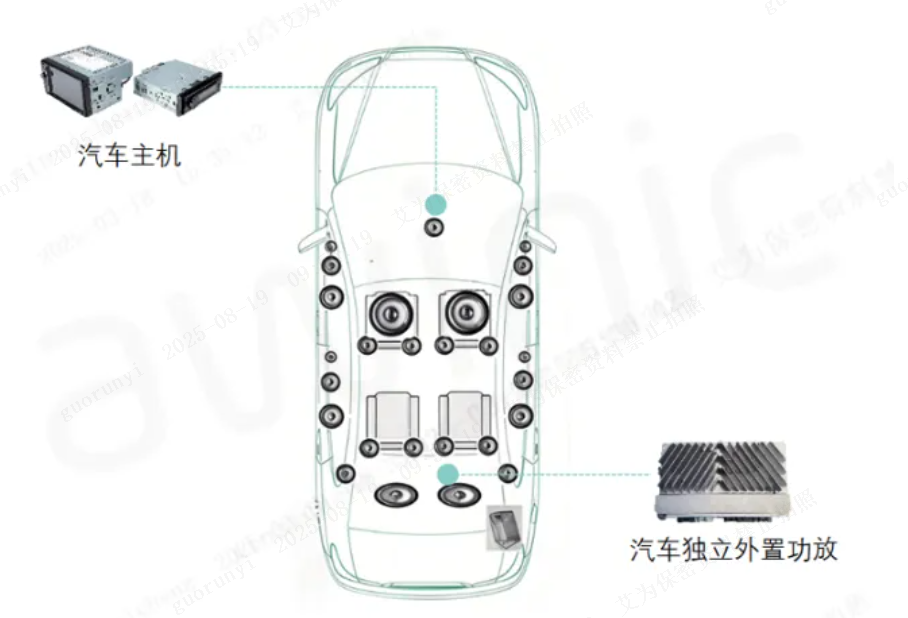
Figure 3: Application Scenarios
Product Highlights
1. Ultra-Low Noise Among Industry Peers
Thanks to Awinic's self-developed circuit architecture, the AW85601QPR-Q1 achieves an ultra-low noise of 11μV and a signal-to-noise ratio (SNR) of 120dB. Even when paired with speakers of different specifications, there is no need to worry about noise interference inside the enclosed automotive cockpit.
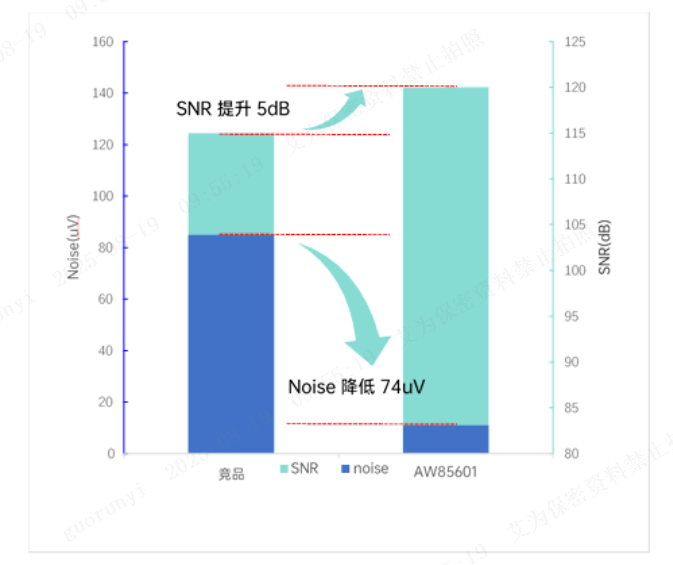
Figure 4: Noise Floor and Signal-to-Noise Ratio of AW85601QPR-Q1
2. Ultra-Low Latency Path
As core noise management solutions, ANC/RNC (Active Noise Cancellation/Road Noise Cancellation) technologies are rapidly being applied in the automotive field with the upgrade of intelligent demands. However, poor real-time performance caused by audio stream transmission latency greatly limits noise cancellation effectiveness. The AW85601QPR-Q1 features an ultra-low latency path, which can effectively reduce the signal latency inside the audio power amplifier (100μs@48kfs). In ANC/RNC applications, this can significantly increase the bandwidth of active noise cancellation algorithms and relieve latency pressure on other audio paths.
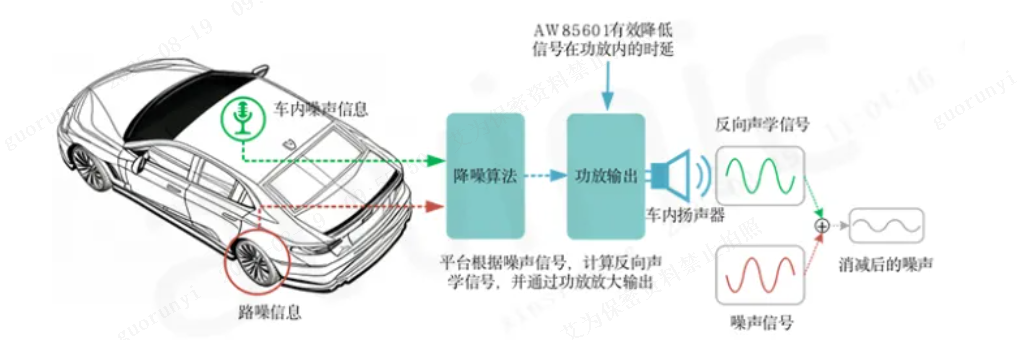
Figure 5: Active Noise Cancellation Block Diagram
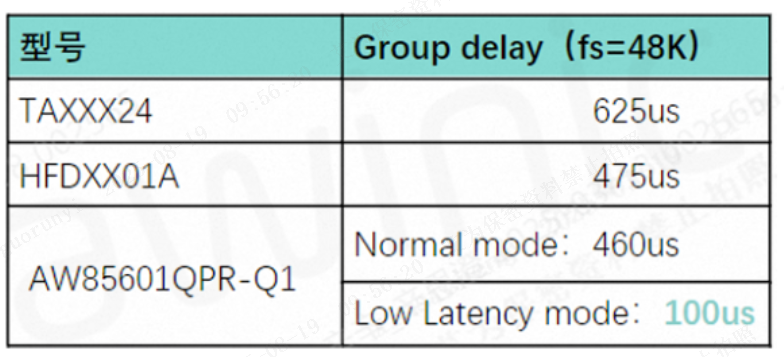
Table 1: AW85601QPR-Q1 Latency Comparison Table
3. LC Filter Distortion Suppression - LC Post-Feedback
What is LC post-feedback in Class D power amplifiers?
It refers to taking a feedback point after the output filter, and then the internal circuit of the power amplifier adjusts the loop based on the feedback signal from this point.
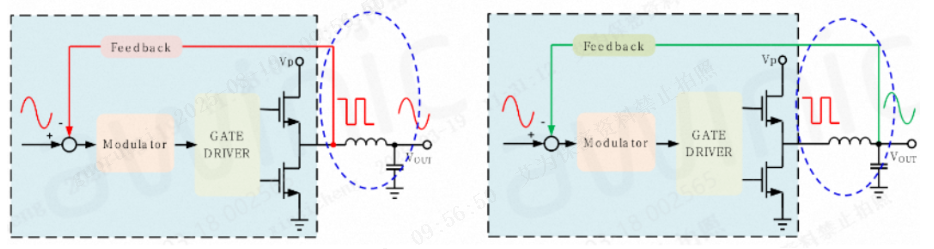
Figure 6: LC Pre-Feedback Block Diagram Figure 7: LC Post-Feedback Block Diagram
What are the advantages?
LC post-feedback can suppress distortion caused by the nonlinearity of the LC filter under large signals.
What benefits does it bring to power amplifier applications?
-
Reduces distortion of the output signal and improves audio quality (more significant under large signals).
-
Reduces reliance on the inductance performance of the LC filter, lowering inductor costs.
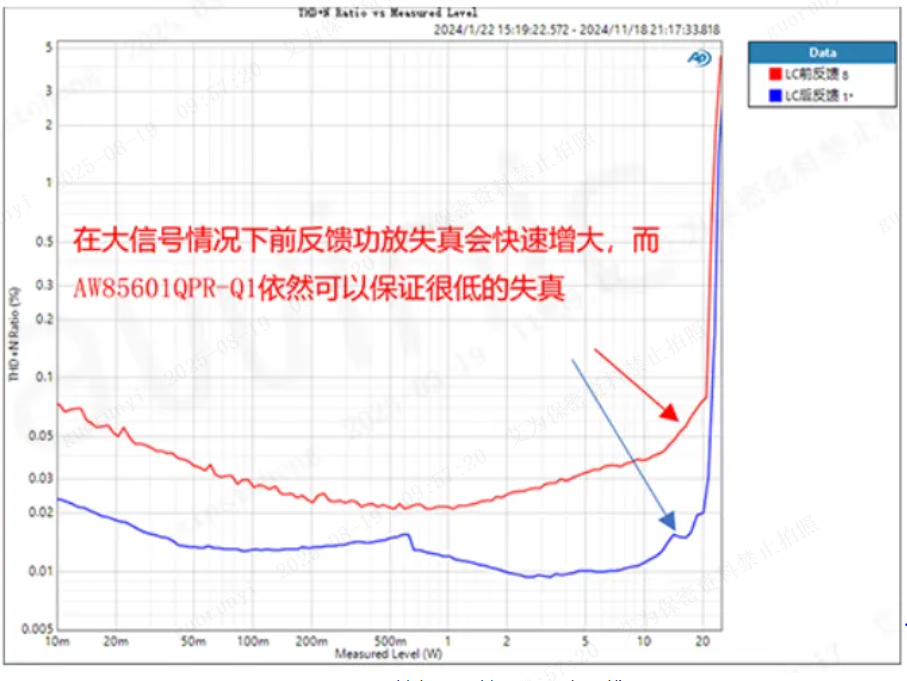
Figure 8: Sweep Amplitude Distortion Curves of LC Pre-Feedback vs. Post-Feedback
4. Full-Scenario Diagnosis and Protection Functions
-
Real-Time Load Diagnosis: Real-time tracking and detection to protect the power amplifier at all times.
-
AC/DC Diagnosis: Internal AC diagnosis, external AC diagnosis, and DC diagnosis.
-
Real-Time S2P/S2G Protection (Short to PVDD/Short to GND).
-
Over-Temperature Protection: Independent single-channel protection and global protection, providing double security.
-
Over-Current Protection: Maximum protection threshold of 11.7A, supporting speakers with lower impedance.
5. Multiple EMI Suppression Methods
-
The 2.1M modulation frequency can effectively avoid interference in the AM frequency band.
-
Multiple spread spectrum modes: Random spread spectrum and triangular spread spectrum, effectively addressing EMI interference in different application environments.
-
Adjustable PWM edge rate.
-
Selectable multi-level operating frequencies.

Figure 9: EMI Comparison of AW85601QPR-Q1 Before and After Spread Spectrum Activation
Currently, the AW85601QPR-Q1 has successfully passed the vehicle-level verification of multiple domestic first-tier automakers and confirmed mass-produced vehicle models. Meanwhile, Awinic's 45W Class AB power amplifier is also about to enter mass production. These two products will greatly promote the localization process of high-power automotive-grade power amplifiers, provide more advantageous solutions for intelligent cockpit audio-visual systems, and help China's automotive industry achieve technological breakthroughs and industrial upgrading in the wave of intelligence. This will enable Chinese automakers to gain an advantage in the global automotive market competition, and deliver an even more outstanding in-vehicle audio experience to users with high-quality and high-performance products.
Key Terminology Glossary
-
AEC-Q100: A set of stress test qualification standards developed by the Automotive Electronics Council (AEC) for integrated circuits (ICs) used in automotive applications, ensuring reliability under harsh automotive environmental conditions.
-
ANC (Active Noise Cancellation): A technology that reduces unwanted noise by generating an inverse sound wave to cancel out the original noise signal.
-
RNC (Road Noise Cancellation): A specialized form of ANC designed to suppress road noise transmitted into the vehicle cabin.
-
Class D Power Amplifier: A type of switching power amplifier that operates by rapidly switching the output between high and low voltage levels, offering high efficiency (typically over 90%) compared to traditional Class A/B amplifiers.
-
LC Feedback (Pre/Post): A loop control mechanism in power amplifiers where the feedback signal is sampled either before (pre-feedback) or after (post-feedback) the LC output filter, affecting distortion control and filter dependency.
-
EMI (Electromagnetic Interference): Unwanted electromagnetic signals that can disrupt the normal operation of electronic devices; "EMI optimization" refers to measures taken to reduce such interference.
-
THD+N (Total Harmonic Distortion + Noise): A key 指标 measuring audio quality, representing the sum of harmonic distortion and background noise relative to the original signal (lower values indicate higher audio fidelity).