With the upgrading of gaming equipment, game handles (as core interactive devices) have undergone continuous technological innovation:
-
In console games: High-precision operation adapts to genres like action fighting and simulation driving, significantly boosting players’ immersion.
-
In cloud gaming: Advanced handle technology breaks device performance limitations, enabling stable and accurate cross-platform control.
Awinic has deeply engaged in game controller chip technology, focusing on innovation and in-depth solution research. It also analyzes the latest technological innovations and application scenarios of mainstream game handles.
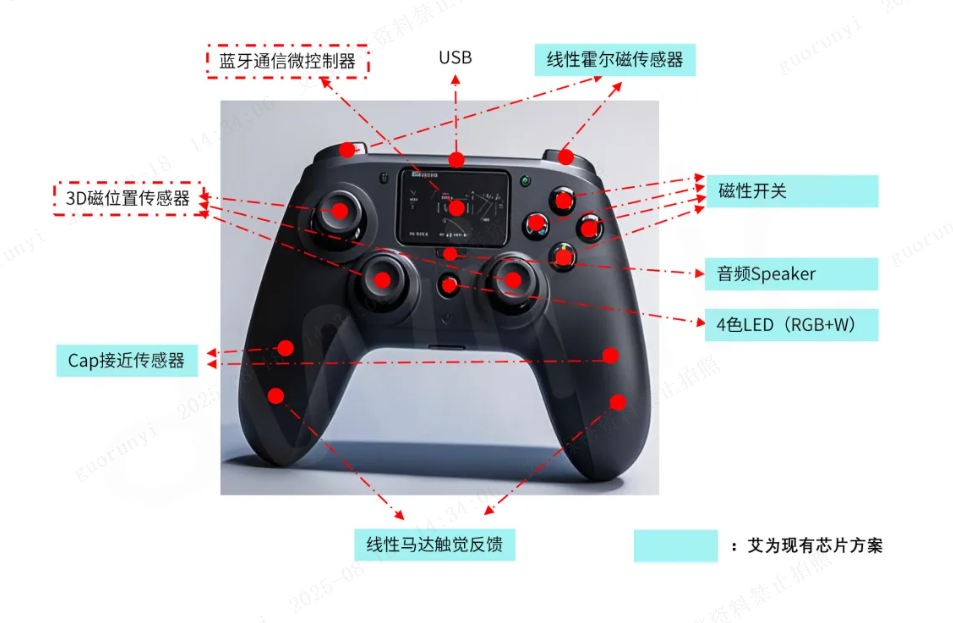
Picture 1 – Game Handle Disassembly Diagram
Core Technological Breakthroughs of Awinic’s Game Controller Chips
Centered on optimizing core interactive experiences, Awinic has achieved breakthroughs in three key directions:
01 Intelligent Sensing Upgrade
02 Multi-Dimensional Feedback Enhancement
03 System Collaboration Optimization
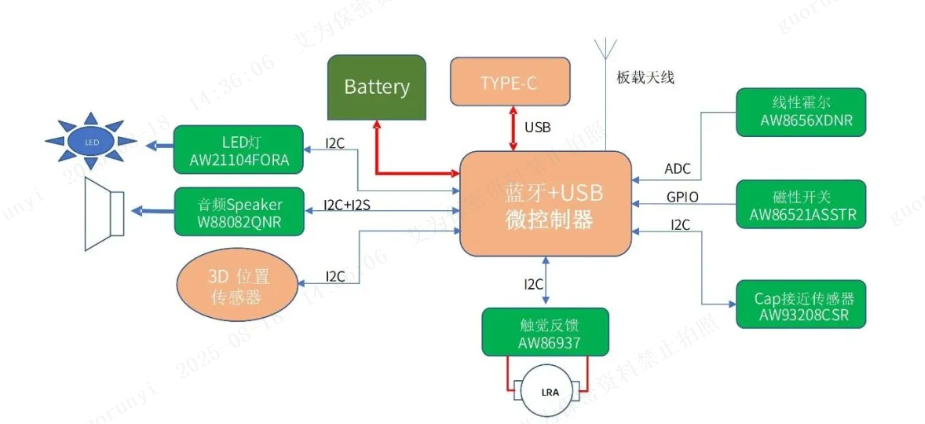
Through in-depth linkage of chip sets, Awinic builds a full-link solution covering:
-
Command input
-
Status feedback
-
Multi-device collaboration
-
Provides low-latency, high-reliability underlying support
-
Fully adapts to console/cloud gaming scenarios
Picture 2 – Game Handle System Block Diagram
Key Technology Deep Dive
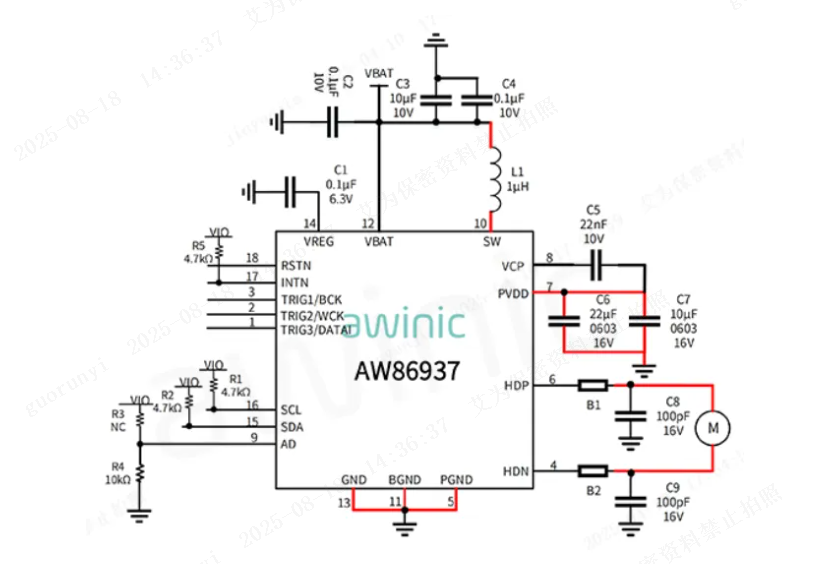
1. Haptic Feedback: Restore Real Physical Interaction
Haptic feedback simulates touch via motors/vibration components (e.g., impact in action games, gun recoil in shooting games, road conditions in driving games). It significantly improves immersion, precision, and fun.
Awinic’s Linear Motor Driver Chip (AW86937 Series)
Picture 3 – AW86937 Application Block Diagram
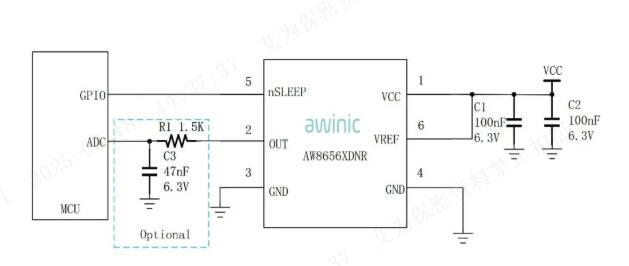
2. Shoulder Buttons (LB/RB/LT/RT): Linear Hall Detection
Uses magnetic field changes to identify button position/pressure (e.g., light press = single-shot, heavy press = continuous fire in shooting games). Advantages: high precision, long lifespan, fast response.
Awinic’s Linear Hall Sensor (AW8656XDNR Series)
Picture 4 – AW8656XDNR Application Block Diagram
3. Function Buttons (A/B/X/Y): Magnetic Switch Solution
Magnetic switches outperform conductive rubber:
-
Long lifespan: >10 million presses (no mechanical friction)
-
Fast response: Millisecond-level signal transmission
-
Stability: Resists dust/water vapor; detects pressure/position accurately
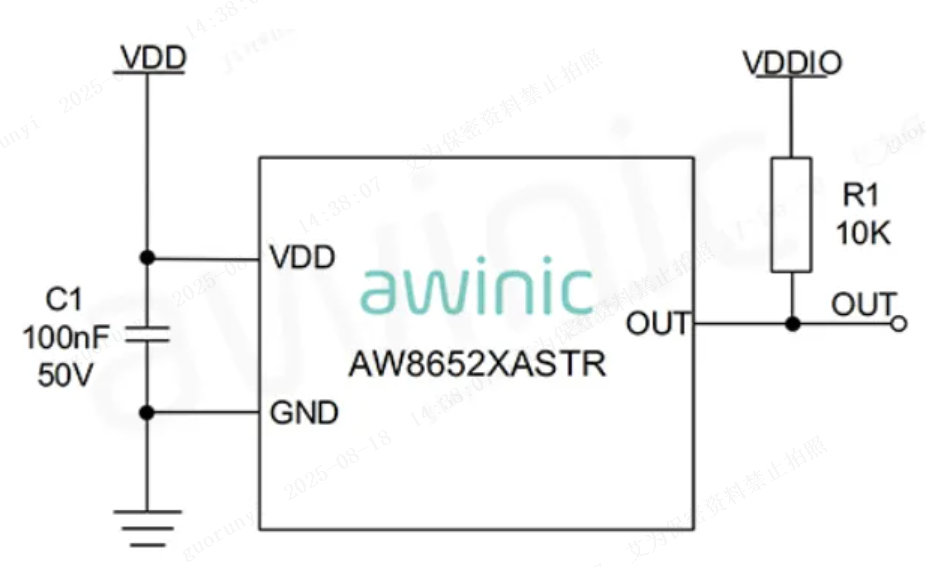
Awinic’s Magnetic Sensor Chip (AW86562XASTR)
Working Principle: When a strong south-pole magnetic field is present, OUTS turns on (low level); turns off (high level via external pull-up) when the field weakens.
Picture 5 – AW86562XASTR Application Block Diagram;
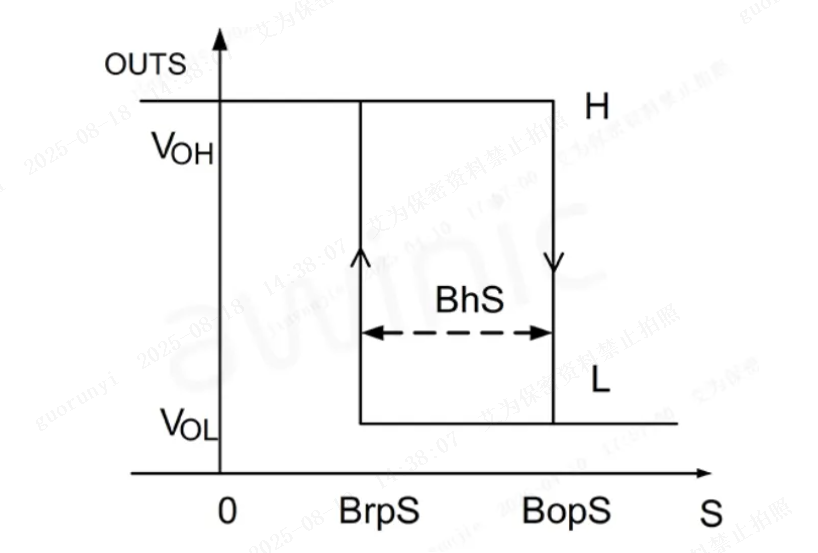
Picture 6 – AW86562XASTR Magnetic Characteristic Diagram
4. Capacitive Proximity Sensor: New Touch Interaction
Detects object proximity via capacitance changes. Benefits:
-
Non-contact operation (e.g., hover to select menus)
-
Smart wake-up/sleep (saves power, extends battery life)
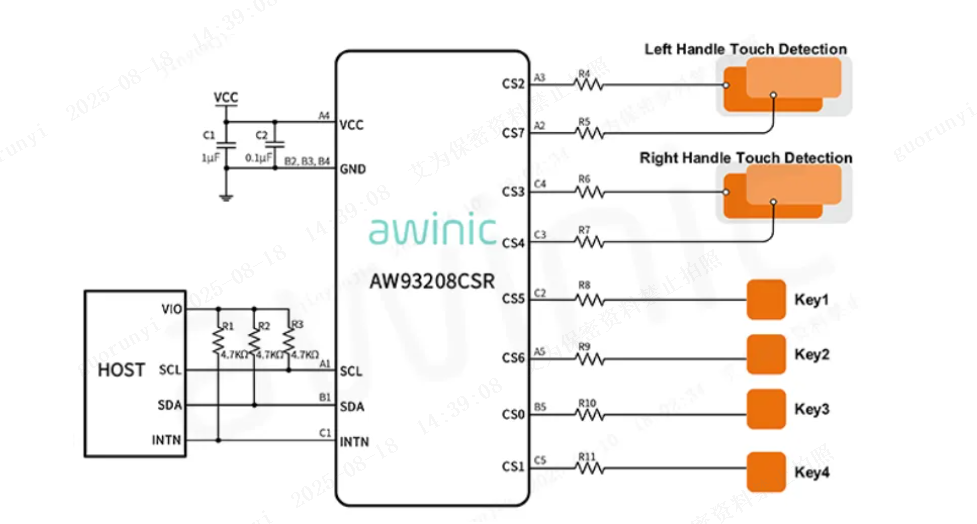
Awinic’s Sensor (AW93208CSR)
Picture 7 – AW93208CSR Application Block Diagram
5. Multi-Color LED Driver: Immersive Light Effects
RGB lights on handles serve 3 key roles:
-
Battery indicator (blue/green = full; orange/red = low)
-
Player differentiation (multiplayer games)
-
Game state feedback (e.g., red flash when character is injured)
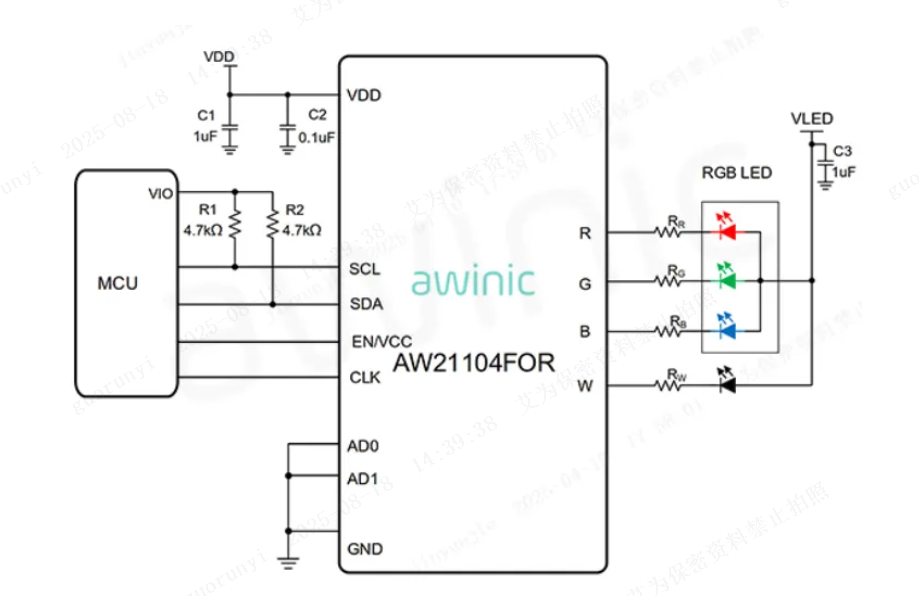
Awinic’s Driver Chip (AW21104FOR)
Picture 8 – AW21104FOR Application Block Diagram
6. Audio Speaker: Core of Immersive Sound
Delivers scene sounds (e.g., environmental sounds, task reminders) without external equipment.
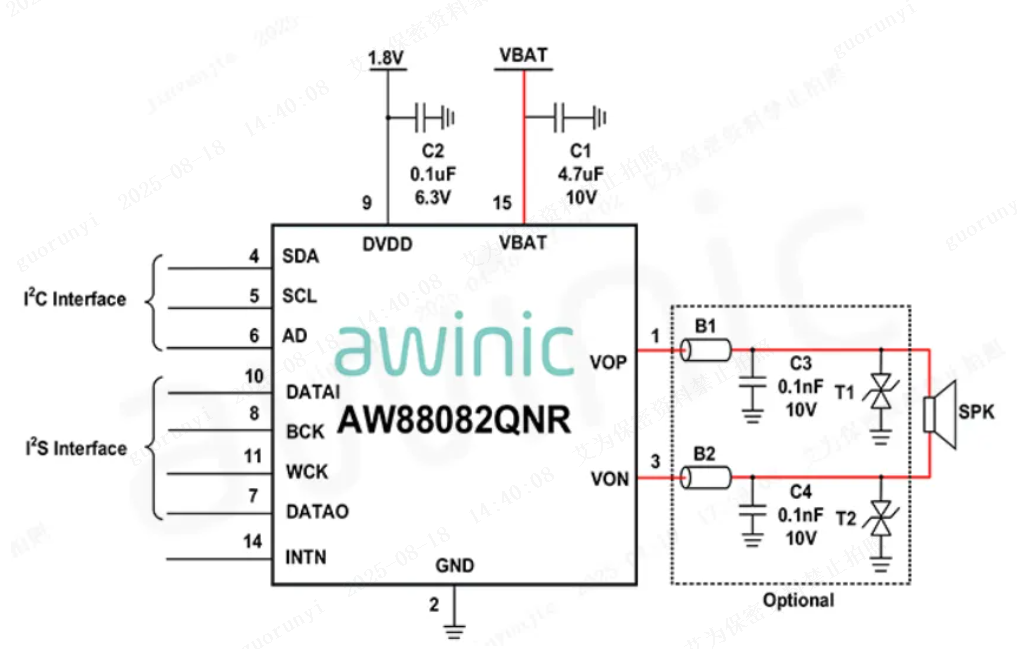
Awinic’s Audio Driver Chip (AW88082QNR)
Picture 9 – AW88082QNR Application Block Diagram
Market Outlook & Future Trends
-
Current Status: The game controller market is growing rapidly, driven by global gaming industry prosperity.
-
Future Forecast: Market scale is expected to achieve leapfrog growth by 2029.
-
R&D Focus:
-
Add multiple sensors for more realistic feedback
-
Optimize wireless connections to reduce latency
-
Expand cross-platform compatibility (break device barriers)