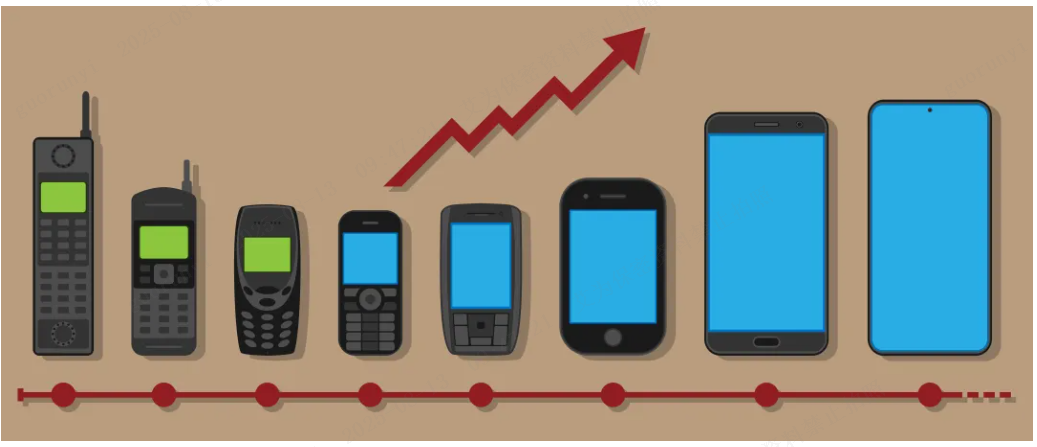
Do you still remember the "brick phone" that required both hands to hold? Once a prominent symbol of status and wealth, it was as heavy as a portable fitness device. In just a few decades, mobile phones have undergone a dramatic "slimming revolution"—transforming from cumbersome communication tools into sleek, palm-sized works of art. Behind this transformation, the continuous "slimming" of chips has been a crucial invisible driver. Today, "thinness" has transcended mere portability; it has become the ultimate embodiment of the synergy between cutting-edge chip technology and industrial design.
1. The Clunky Start of the Bulky Era
Looking back at the glory days of the first-generation mobile phones, the "brick phone" was more like a portable "brick." Take the Motorola 888 as an example: even with the battery removed, its astonishing thickness and weight spoke volumes about the technological limitations of the time—it was a status symbol, but by no means a portable device.
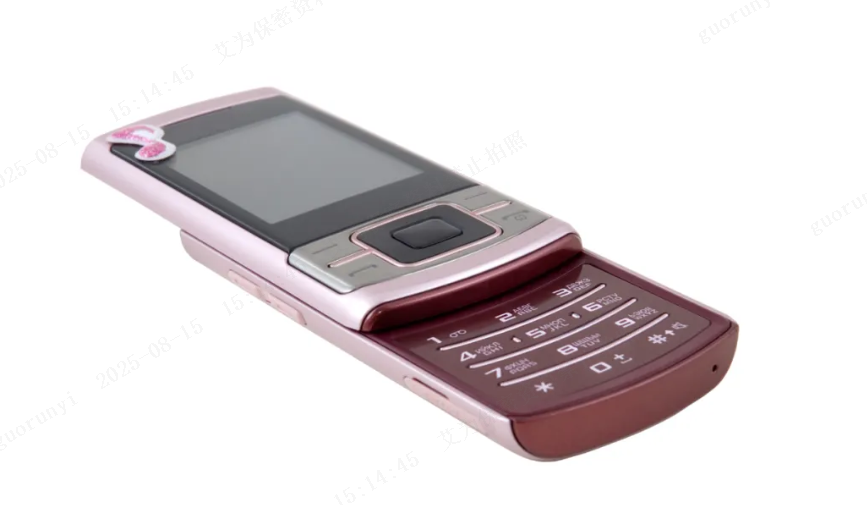
With the advent of the feature phone era, mobile phone thickness saw its first substantial improvement. The Nokia 5300 slider music phone launched with a thickness of 21.88mm. Though still bulky, its combination of a compact screen and slider design made it a reliable companion for daily commutes, laying the groundwork for future lightweight development.
Picture 1 - Slider Music Phone
2. The Rising Trend of Thinness
The emergence of Steve Jobs, a tech legend, completely reshaped the mobile phone landscape. He not only redefined what a mobile phone could be but also reduced its thickness to around 10mm, ushering in a new chapter in the lightweight evolution of smartphones. Since then, mobile phone thickness has hovered between 6mm and 10mm, with numerous manufacturers joining the race to create thinner devices.
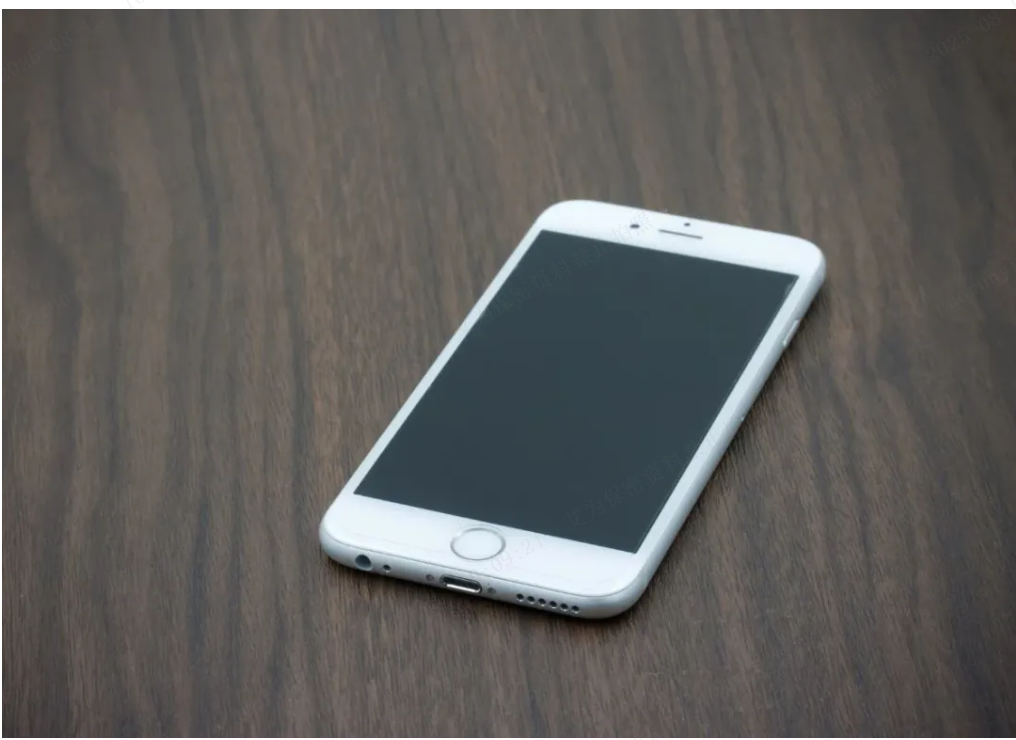
2014 marked a pivotal year in the lightweight journey of mobile phones. Apple unveiled the iPhone 6, with a thickness of just 6.9mm, stunning the industry. In the same year, OPPO released the R5 with a thickness of 4.85mm, while vivo pushed the boundaries even further with the X5 Max—its 4.75mm thickness set a record for the thinnest mobile phone ever, sparking a wave of thinness that swept the entire industry.
Even in today’s mobile phone designs, "thinness" remains an indispensable element.
Picture 2 - iPhone 6
3. Awinic Chip: Leader in Ultra-Thin LED Driver Packaging
In the wave of mobile phone lightweighting, breakthroughs in chip packaging technology have played a critical role. Awinic Electronics’ deep cultivation in the field of LED Driver packaging has injected core momentum into this revolution.
3.1 Industry Background & Awinic’s Technological Leaps
For a long time, a packaging thickness of 0.75mm has been the mainstream industry standard for LED Drivers. Through innovative processes, Awinic Electronics has achieved two major technological leaps:
-
Fundamental Breakthrough: Reduced the packaging thickness to 0.55mm, a 26.7% decrease compared to the industry standard.
-
Extreme Exploration: Specific products have achieved an ultra-thin packaging thickness of 0.37mm, setting a record for the smallest mass-produced thickness in the industry to date.
3.2 Value for End Applications
This breakthrough delivers multiple values to end applications:
-
Space Release: Saves up to 50.7% of packaging height in the vertical direction, freeing up critical space for the internal structure of mobile phones.
-
Structural Optimization: Provides core support for the ultra-thin design of consumer electronics such as smartphones, enabling more extreme industrial designs.
-
Energy Efficiency Improvement: The thin packaging layer significantly enhances heat conduction efficiency, balancing thinness with performance stability.
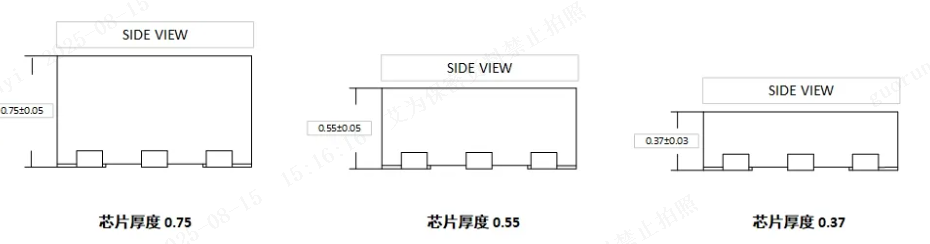
Picture 3 - Schematic Diagram of Packaging Thickness
4. Ultra-Thin Package Product Selection Table
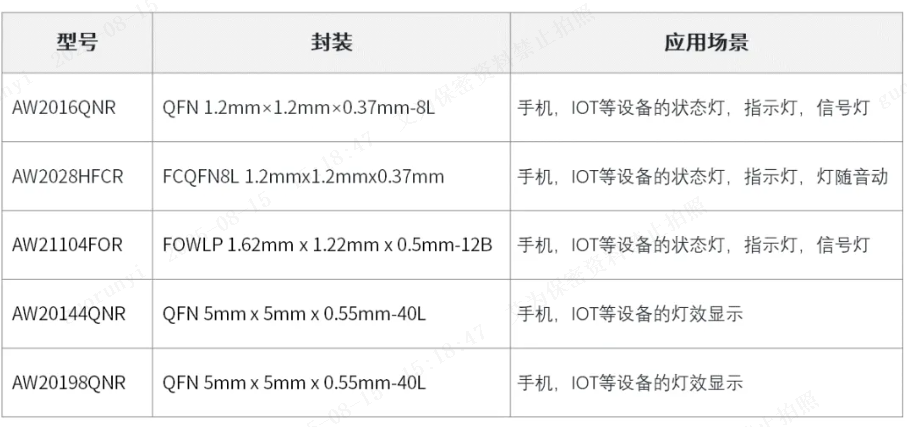
Table 1 - Ultra-Thin Package Product Selection Table
5. Conclusion
Every reduction in mobile phone thickness is the result of technological iteration and industrial collaboration. Awinic Electronics’ continuous high investment in the packaging field is providing a steady stream of momentum for the evolutionary path of mobile phones toward "thinner and more elegant designs." By breaking boundaries through meticulous craftsmanship and leading the future with steady progress, Awinic will continue to drive infinite possibilities in the form of consumer electronics through technological innovation.
6. About Awinic
Leading Digital-Analog IC Company in China
Shanghai Awinic Electronics Technology Co., Ltd., founded in 2008, specializes in the design of high-performance digital-analog mixed-signal, power management, and signal chain ICs. In August 2021, it successfully listed on the Science and Technology Innovation Board of the Shanghai Stock Exchange (Stock Code: 688798).
Awinic Electronics has accumulated over 40 product subcategories and nearly 2,000 product models in total. The performance and quality of its products have reached industry-leading levels. Its products are widely used in consumer electronics, industrial internet, and automotive markets, covering fields such as smartphones, tablets, laptops, smart wearables, smart speakers, smart home appliances, mobile payments, the Internet of Things (IoT), AI education, smart toys, servers, new energy, robots, drones, security, and automotive electronics.
In 2024, the company’s R&D investment reached 510 million RMB, accounting for nearly 17% of its revenue. Technical personnel account for over 74% of its workforce. Awinic has accumulated 649 domestic and international patents, 125 software copyrights, and 595 integrated circuit layout registrations.
Awinic Electronics has been awarded numerous qualifications and honors, including: National Enterprise Technology Center, Single Champion Enterprise in the Audio Manufacturing Industry, National Intellectual Property Advantage Enterprise, "National High-Tech Zone Listed Company Innovation Top 100," Shanghai Innovative Enterprise Headquarters, Shanghai Quality Gold Award, Shanghai Municipal Design and Innovation Center, Shanghai Intelligent Audio Chip Technology Innovation Center, and Top 100 Shanghai Hardcore Technology Enterprises.