I. What is Audio-Synced Lighting
The core of audio-synced lighting lies inalgorithms processing audio signals in real-time, driving RGB lights to change synchronously with the music rhythm. This technology has extended from consumer electronics to automotive cabins. awinic's audio-synced lighting solutions have achieved mass production in both automotive and consumer fields, covering vehicles such as Avatr, as well as smart speakers, mobile phones, gaming peripherals, and smart home appliances.Building on this foundation, awinic has further launched AI Emotional Ambient Lighting Solutions, enabling lighting effects to express the emotion of the music in addition to following the rhythm.
II. Solution Architecture and Implementation Principles
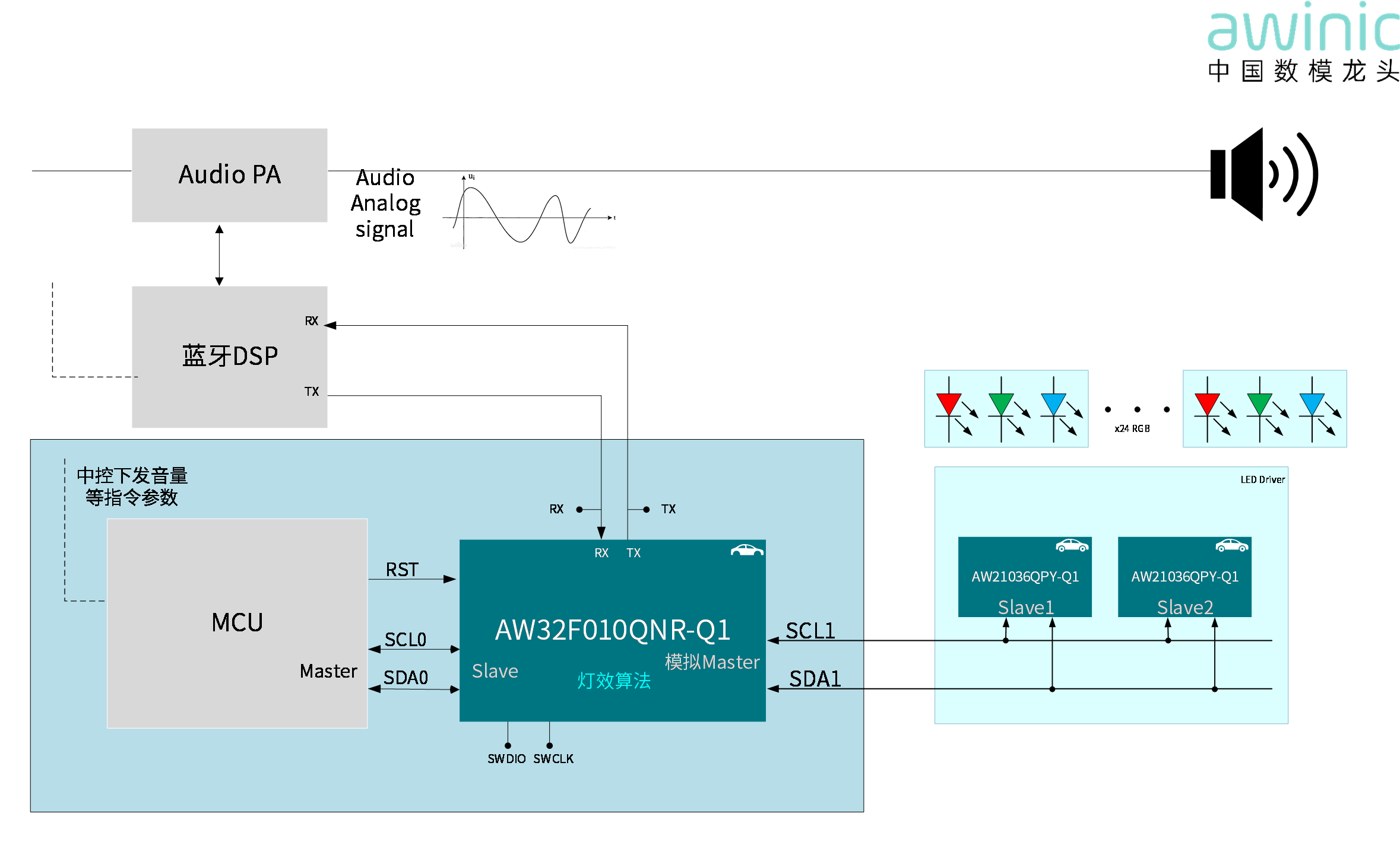
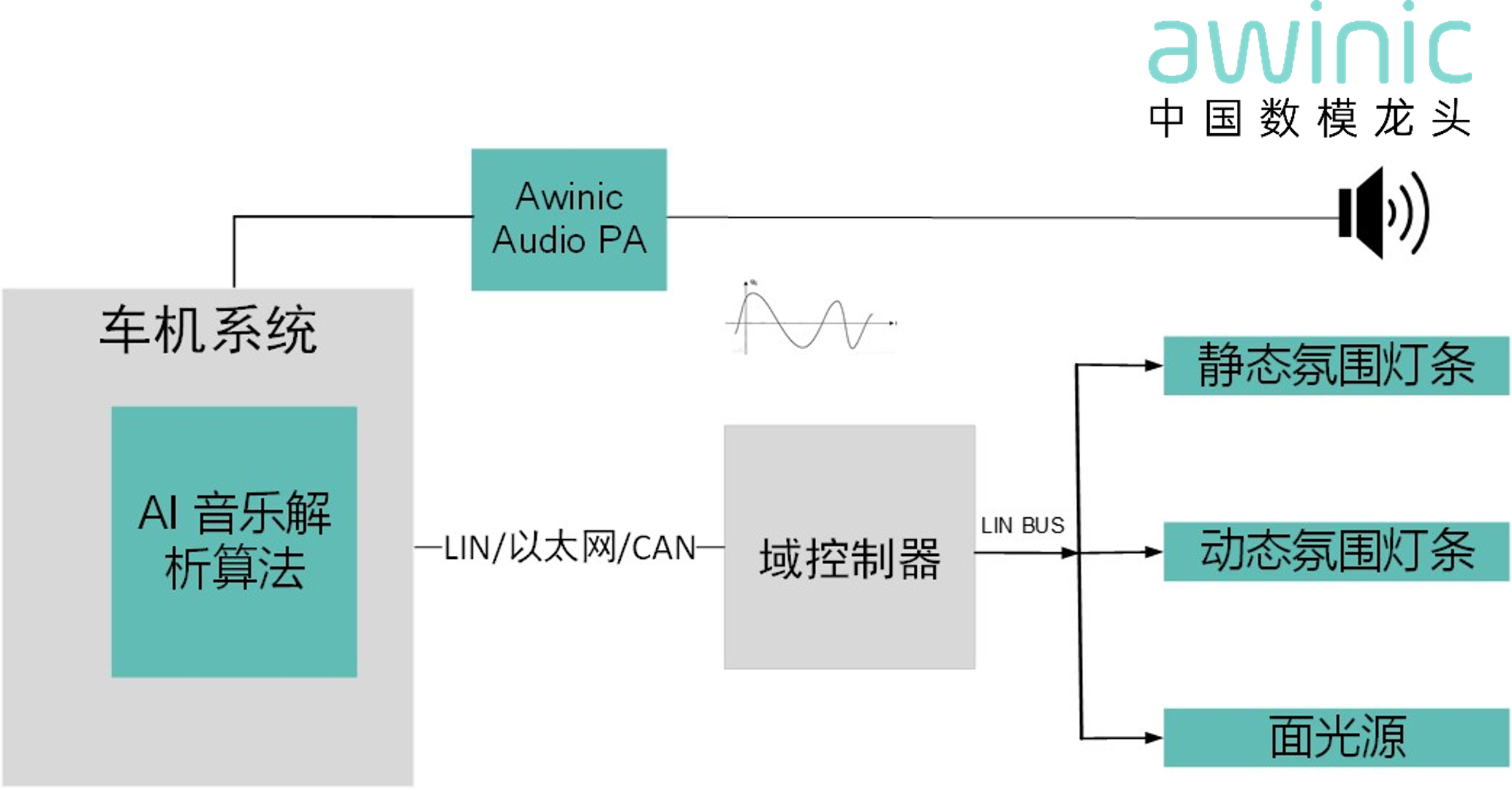
The signal chain for the entire audio-synced lighting solution is:Audio Signal Source → Signal Conditioning → Main Control Chip Acquisition and Algorithm Processing →ControlLEDDriver ChipImplementationof Audio-Synced Lighting. awinic's audio-synced lightingSoCserves as the main control chip, responsible for acquiring audio signals, analyzing rhythms, and outputting lighting control. It is suitable for automotive and consumer products; the following introduces it using an automotive scenario as an example.
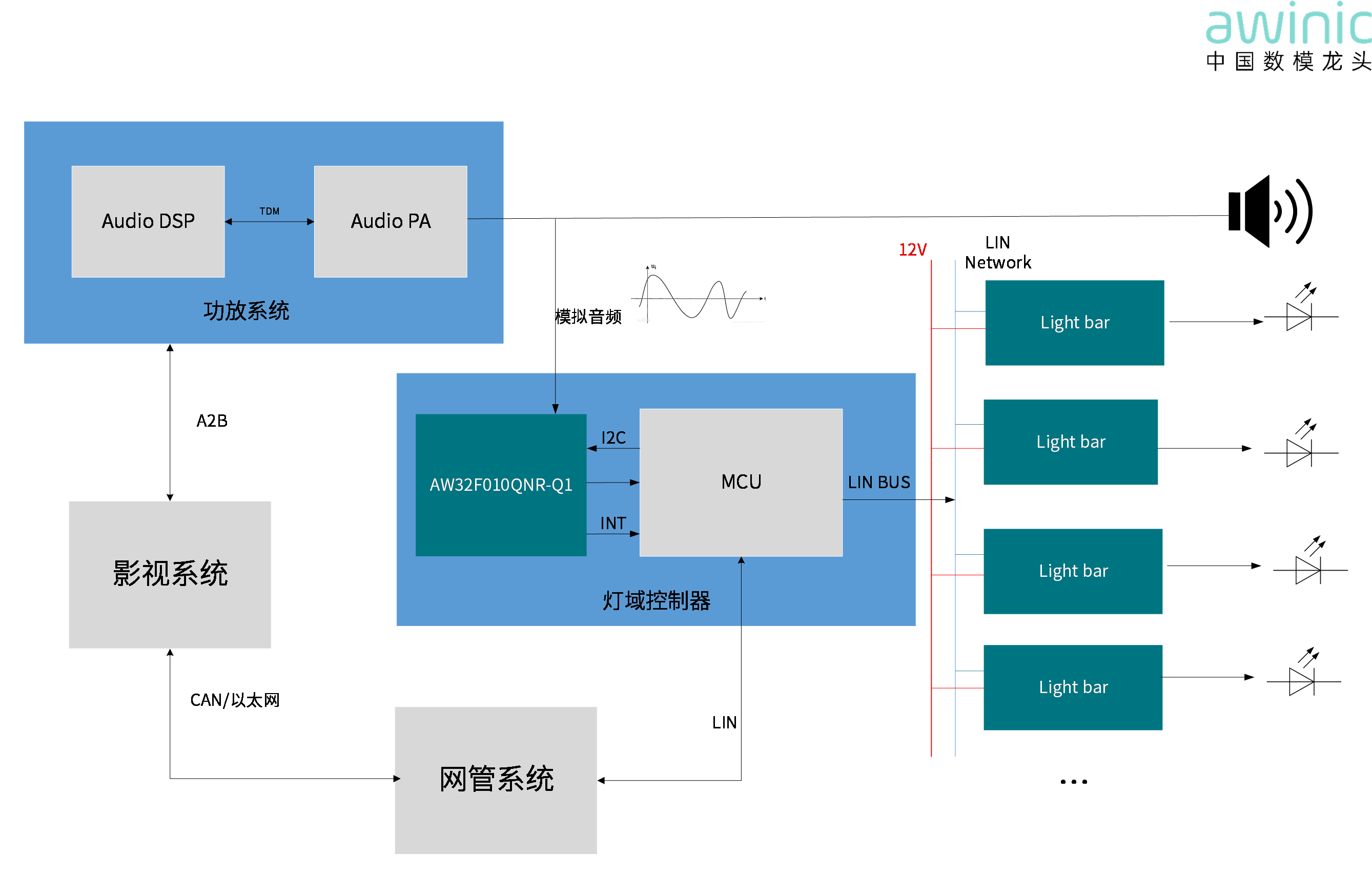
Figure 1 Full-Vehicle Application Solution for Audio-Synced Lighting
Figure 2 Local Application Solution for Audio-Synced Lighting
• Audio Acquisition:
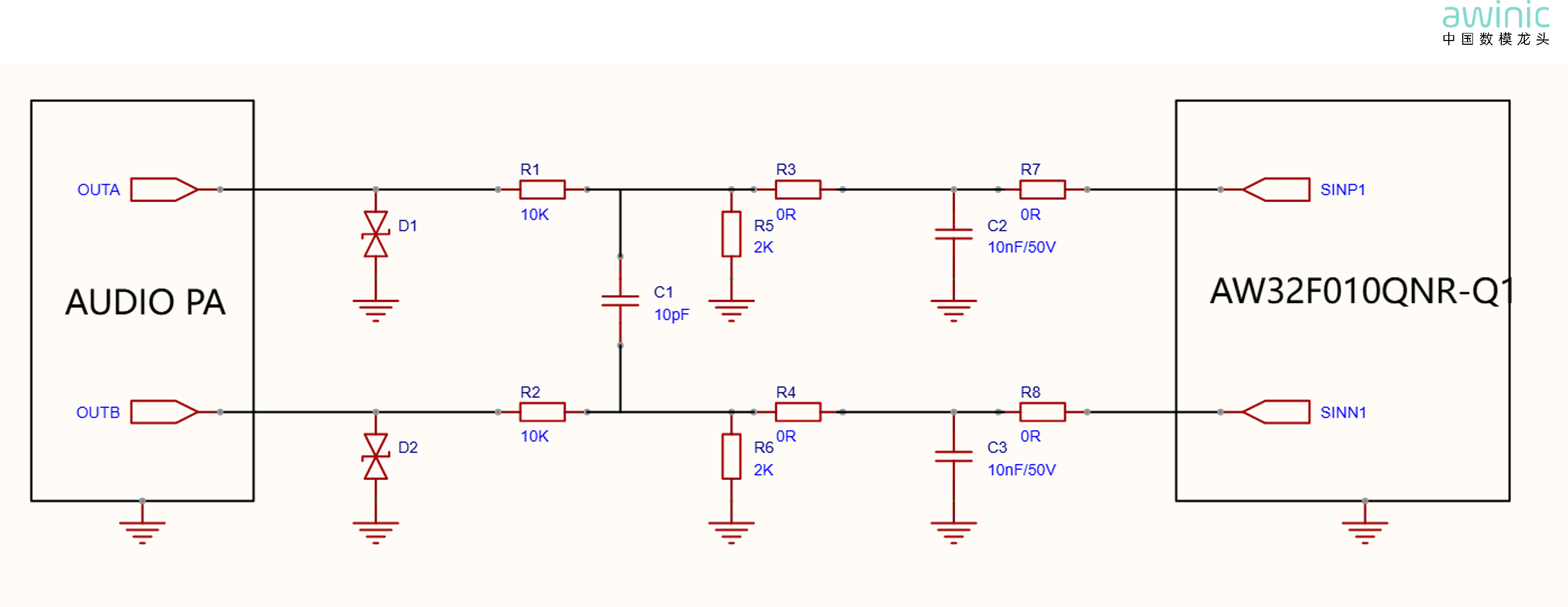
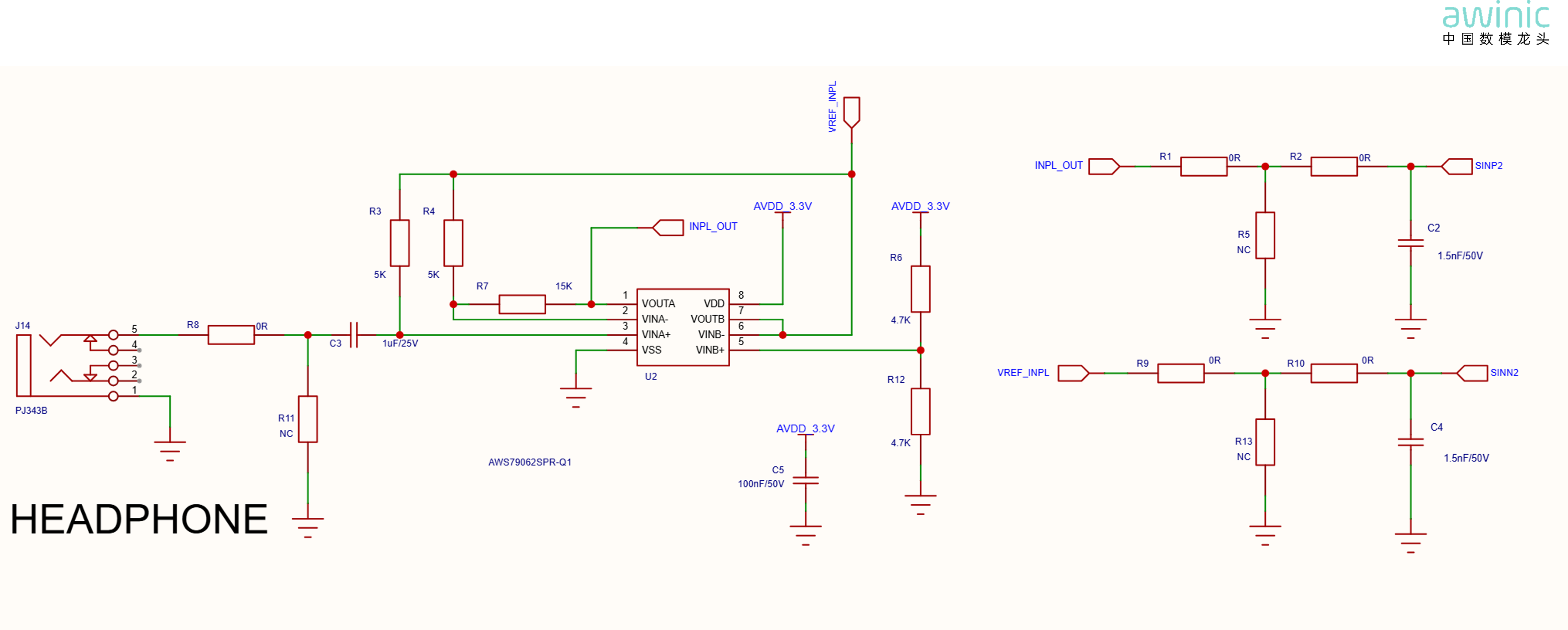
Takingaudio systems PA, microphones (MIC) or headphone jacksand other analog audio signals as the signal source, after resistor voltage division and RC filtering, they are connected to the differential input terminal of the main control chip, wherehigh-precision ADC converts them into digital signals;
• Algorithm Processing:
The main control chip has a built-inAudio-Synced Lighting Acoustic-Optical Synchronization Algorithmto perform rhythm extraction and energy calculation on digital audio;
• Lighting Effect Output:
Through a single I²C bus, multiple LED driver chips can be cascaded (e.g., 4 chips can control AW21036QPY-Q1 channels), achieving smooth changes in color and brightness. 144 __TRANS_0046__ LED __TRANS_0047__
Flexible sound pickup methods,PA,MIC, headphone jackAll three types of signal sources are compatible (taking automotive scenarios as an example):
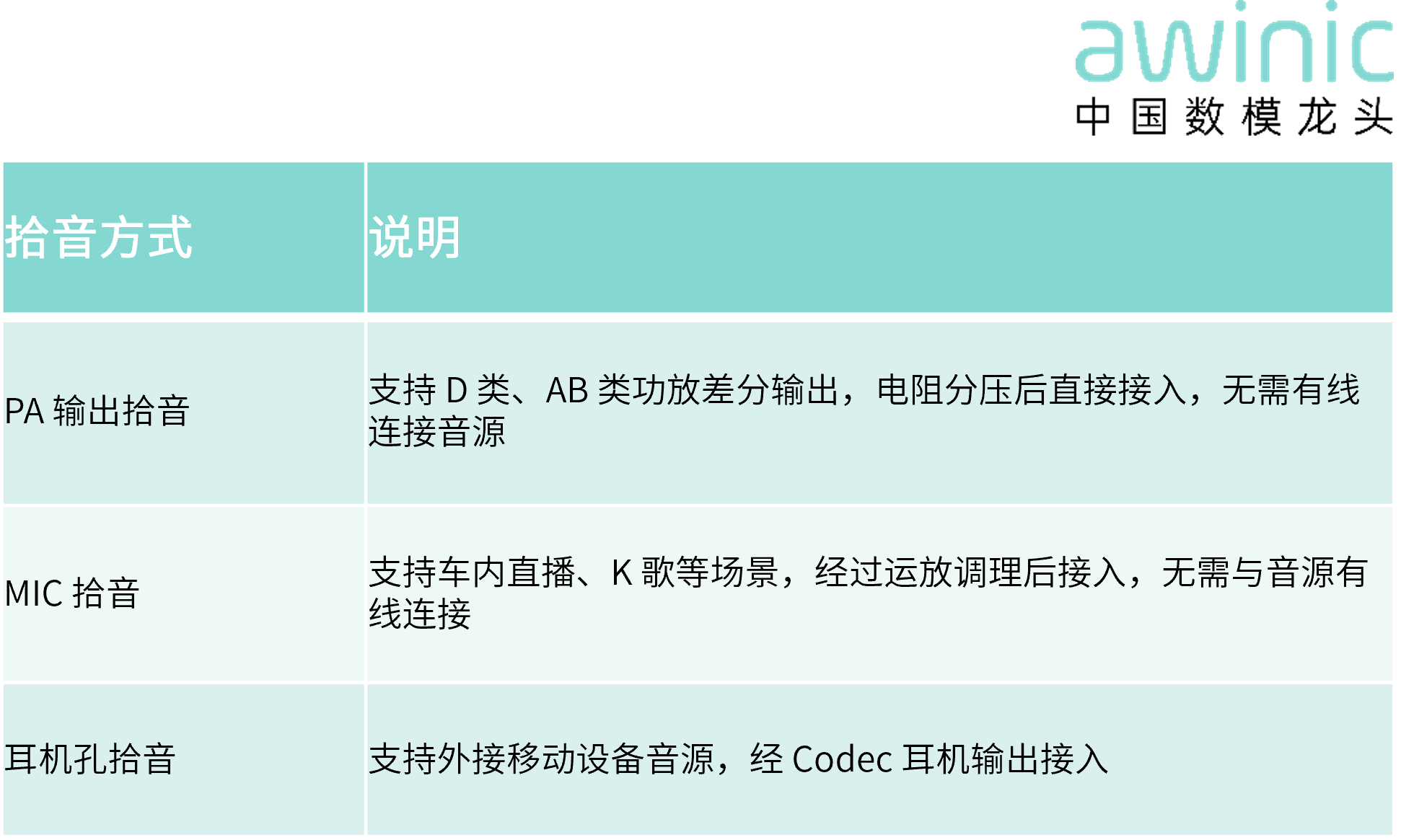
Figure 3 PAOutput pickup reference circuit
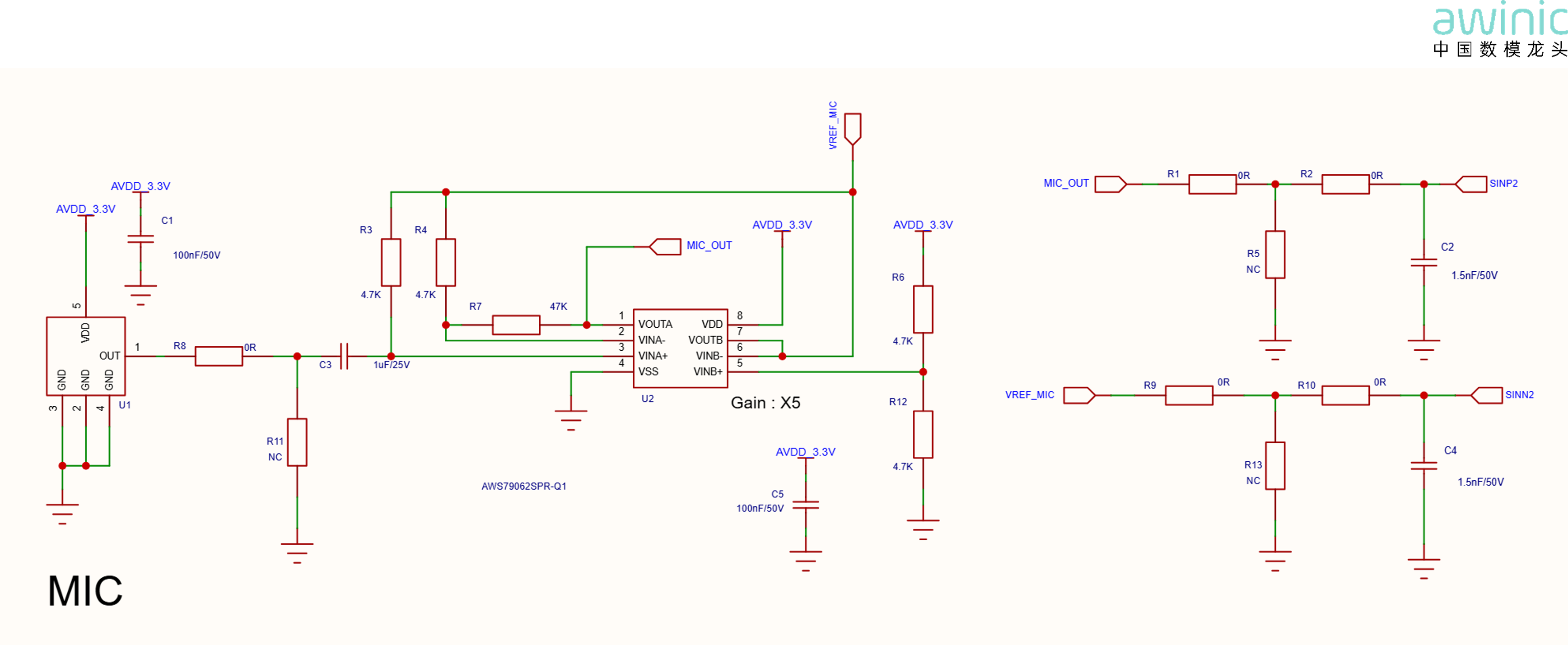
Figure 4 MICPickup reference circuit
Figure 5 Headphone pickup reference circuit
The awinic music-synced lighting solution imposes no restrictions on music styles; whether it is a gentle lyrical piece or intense electronic music, it can present excellent rhythmic effects. In consumer products like smart speakers and Bluetooth speakers, pickup can be directly performed from the amplifier output within the device; if the audio source is digital, chips supporting I2S digital audio inputcan be selected for direct interfacing to achievedigital music-synced lighting.
III. Solution Features and Advantages
The core competitiveness of this solution lies in itsbuilt-in music-synced lighting algorithm,which possesses the following characteristics:
1 achieving"zero latency and zero false flashing"
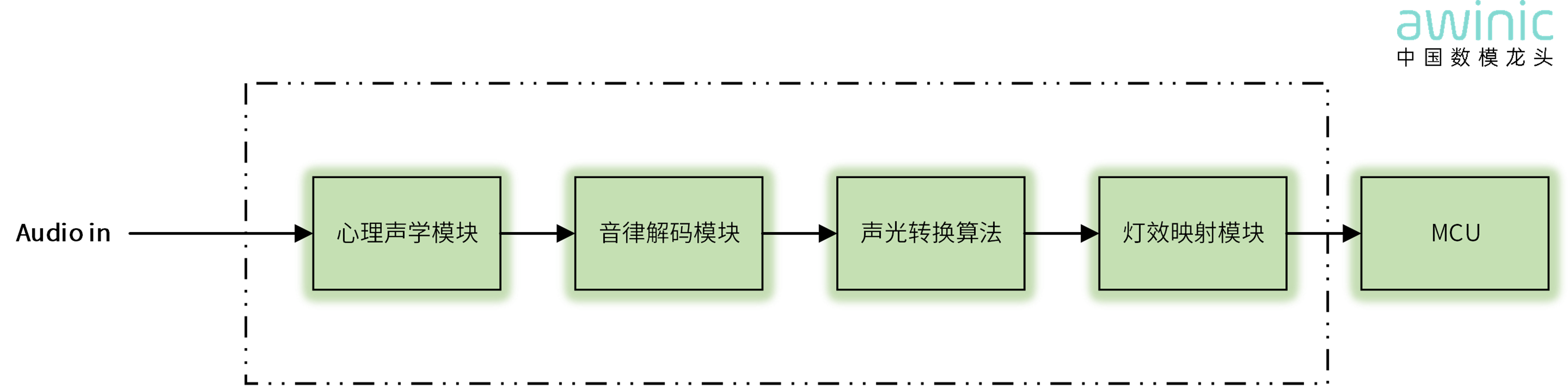
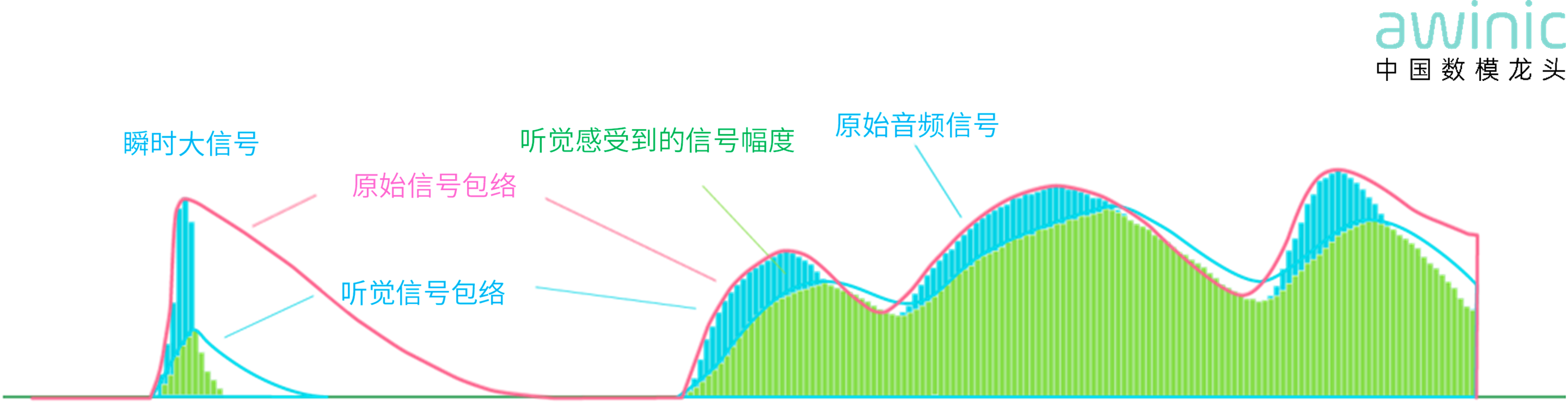
The algorithm simulates the auditory response of the human ear and contains two key modules:
• Psychoacoustics module: Extracts only frequency bands that the human ear is truly interested in, ensuring inaudible signals do not interfere with lighting effects;
• Envelope detection module: Responsible for aligning auditory perception with lighting effects to the beat.
With the coordination of these two modules, auditory perception and lighting effects remain precisely synchronized:
• No latency: Lighting effects respond synchronously with sound, avoiding the phenomenon of seeing the light flash before hearing the sound (similar to seeing lightning before hearing thunder);
• No false flashing: Only truly audible music signals trigger lighting effects; signals like narrow peaks, which are visually obvious but auditorily insignificant, will not cause false triggering of lighting effects.
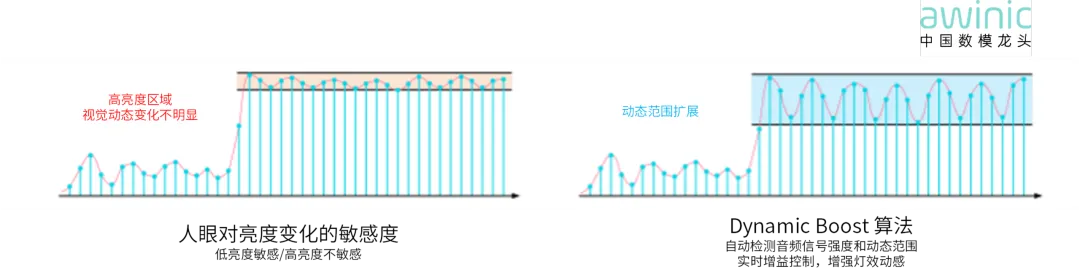
2 Dynamic Boost Enhanced dynamic lighting effects
Dynamic Boost The algorithm automatically detects audio intensity and dynamic range to perform real-time gain control. For some music with significant amplitude but flat rhythmic fluctuations, the lighting effects still keep up with the music rhythm after enhancement.
3 Volume normalization and sound field normalization
• Volume normalization:
Automatically balances changes in volume levels, preventing the lighting rhythm from becoming inconsistently fast or slow;
• Sound field normalization (sound field self-calibration):
When switching to a different speaker system or sound field, the lighting rhythm remains stable, minimizing the impact of volume and sound field variations while primarily capturing rhythmic points.
4 Intelligent rhythm recognition
The algorithm filters out perceptually prominentbeatsin the music to trigger lighting effects, ensuring tight synchronization between lighting changes and beats, maintaining consistency between auditory rhythm and visual lighting effects.
5 Multi-band energy output supporting multi-frequency point rhythms
The algorithm processes audio signals across multiple frequency bands to extract energy values for each band. Frequency band division can be flexibly configured according to lighting effect requirements (e.g., divided into low, mid, and high frequencies). Energy values from different bands drive different light groups respectively, thereby presentingmulti-frequency point rhythmic effects.
The capabilities of the above solutions require corresponding chips to implement them. awinic provides different chip options forautomotiveandconsumerscenarios.
IV.AI Emotional ambient lighting
Lights move with the sound, letting the lighting follow the rhythm,AI Emotional ambient lightingtakes it a step further, making the lighting resonate with the emotion of the music. The solution has built-in AI music style recognition capabilities, capable ofreal-time analysis of musical emotions(such as intense, calm, sad, etc.), combininghuman psychoacousticswithcolor fusion algorithmsto fit real-time colors that match the song's emotion, with audio-visual synchronization latency as low as 30ms.
When the music is intense, the colors gradually transition from cool to warm tones; when the emotion is calm, the colors return to soft hues. The matrix light strip synchronously presents the frequency and time-domain information of the music, allowing the cabin ambiance to flow naturally with the melody.
• Image background color analysis: When no music is playing, the solution can analyze the background theme color of images and generate corresponding ambient lighting, synchronizing with starry sky roofs, door handle lights, footwell lights, etc.;
• Real-time screen color following: Automatically matches lighting effects based on the main color tone of the central control screen, maintaining a unified interior color scheme;
• Rich lighting effect system: Equipped with 8 basic lighting effects and 8 extended lighting effects, supporting automatic switching based on time periods and solar terms.
The above capabilities of lights moving with sound and AI emotional lighting effects require corresponding chips to support them. awinic provides different chip options for automotive and consumer scenarios.
V. awinic Chips Supporting Lights Moving with Sound
1 Automotive-grade Main Control Chip
a) AW32F010QNR-Q1
-
1/2/3/4/5/6/7/8
-
1/16/32/64/128/256
-
Built-in awinic lighting language algorithm for lights moving with sound
-
Acoustic psychology module, envelope recognition module
-
hardwareSmart Watch Dog, safe and reliable
-
SupportsIOexternal power supply, supportsopen drain/push pull
-
low-power mode:Sleep/deep sleep/power down
-
WBQFN 5mm×5mm-40L
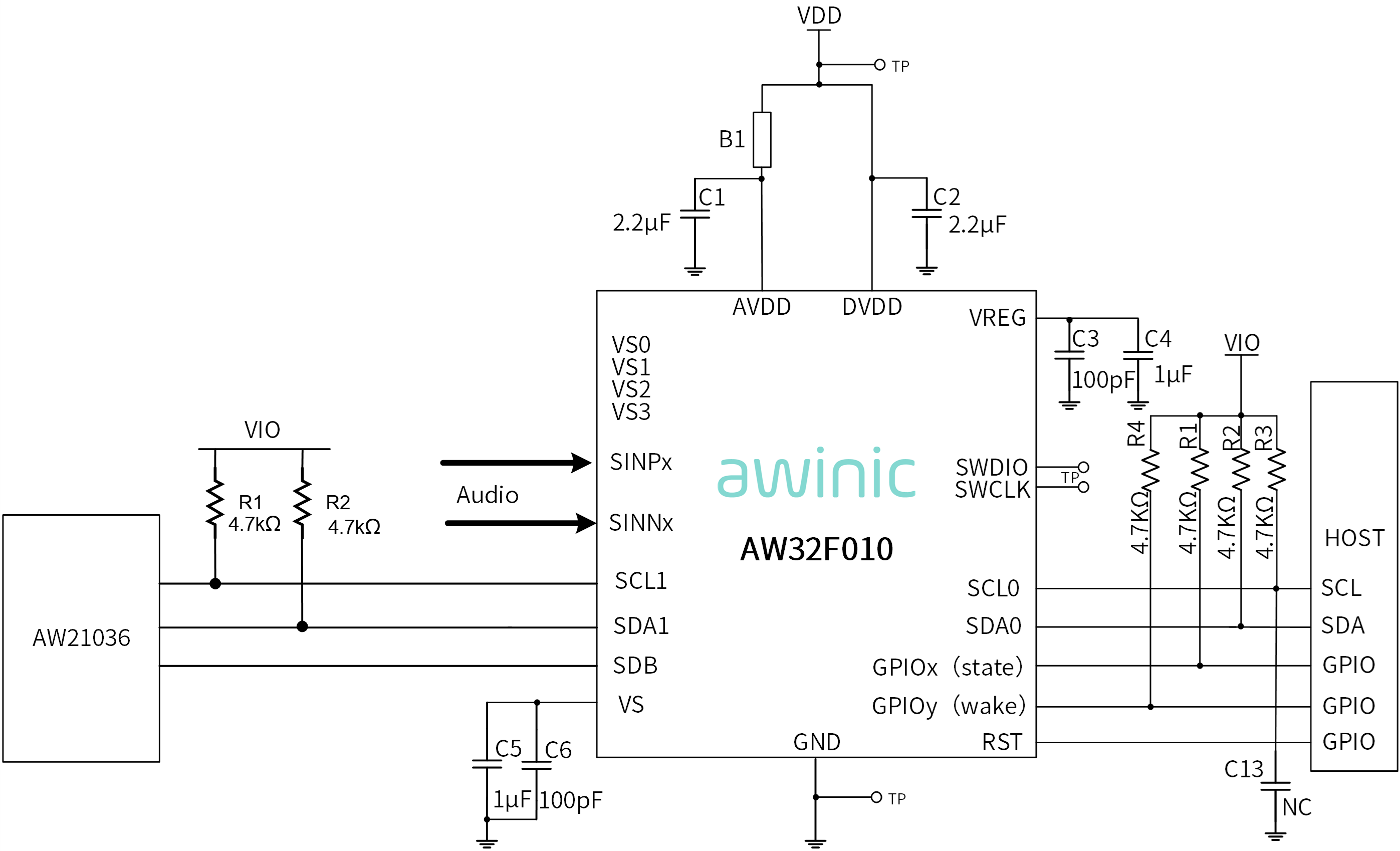
Figure 6 AW32F010QNR-Q1 + AW21036QPY-Q1 Typical Application Diagram
b) AW32F020QNR-Q1
-
16MHz 32-Bit MCU
-
64KB FLASH & 16KB SRAM
-
6V~18VOperating voltage range,45VLoad dump voltage
-
12universalGPIOSupportsPWMmode
-
IntegratedLINtransceiver, supports automatic addressing function
-
SupportsSAE J2602/LIN2.xprotocolLINSlave interface passedISO17987certification
-
1unitsWDT,1WWDG
-
1general-purpose timers,2basic timers,1sleep-wakeup timers
-
1I2C,1SPI,1UART
-
112-bitADCconverter, supporting13channels
-
Operating Conditions:-40~125℃
-
ACE-Q100 Grade 1,ISO7637
-
QFN 5mm×5mm-32L
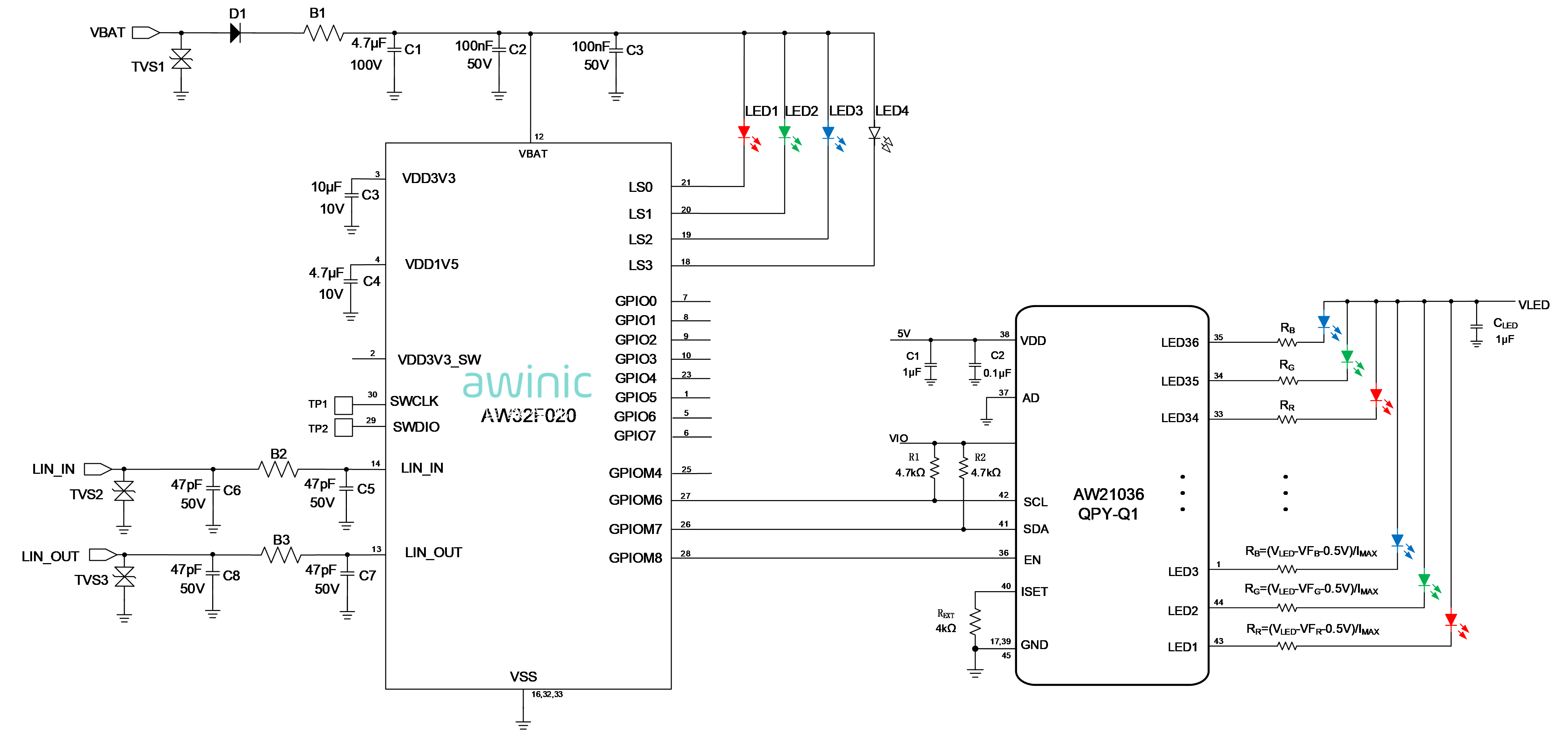
Figure 7 AW32F020QNR-Q1+AW21036QPY-Q1Typical Application Diagram
2 Automotive-grade LED Driver
a) AW21036QPY-Q1
-
High current accuracy: ±6%
-
High consistency : ±7%
-
Diagnostic functions:LED Open circuit/Short circuit detection
-
High efficiencyEMISuppression design &Professional-grade howling suppression technology
-
Automatic power-saving mode
-
Over-temperature protection
-
Supply voltage range: 2.7V ~ 5.5V
-
Operating temperature:-40°C ~ +125 °C
-
AEC-Q100 Grade1
-
QFP 7mm×7 mm-48L package
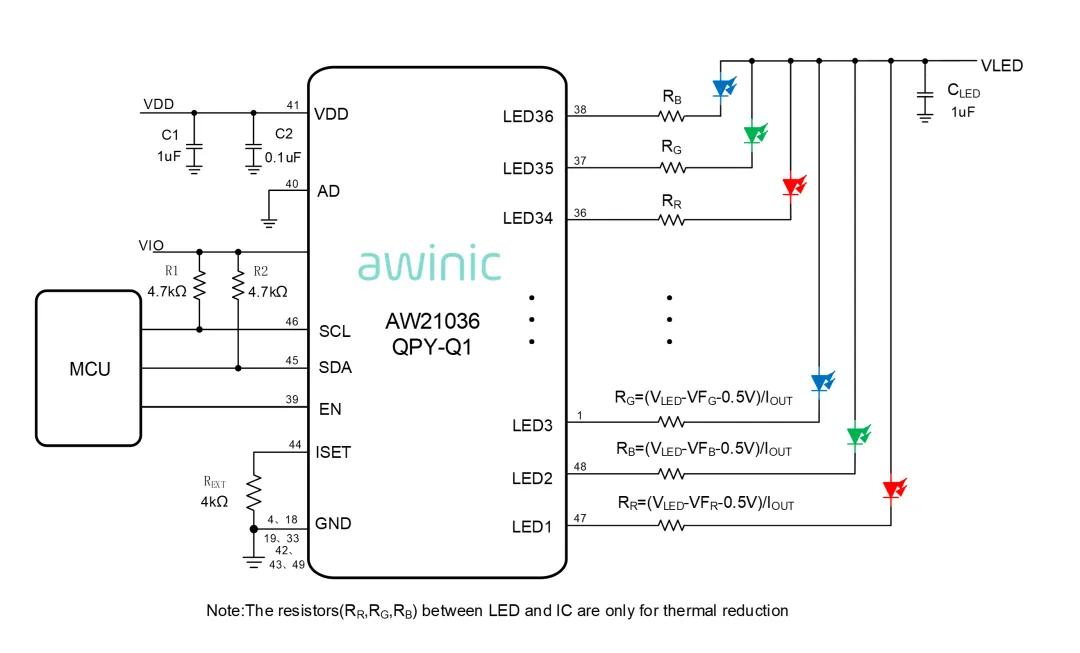
Figure 8 AW21036QPY-Q1 Typical Application Block Diagram
3 Consumer-grade audio-responsive lighting SoC(Integrated solution)
a) AWP223036QNR
-
Supports analog (12-bit ADC,1Mbps sampling rate,PGA gain -12dB~58dB) and I2S digital dual audio input;
-
Matrix mode can drive up to 36 units of LED / 12 units of RGB, with a maximum single-channel current of 64mA;
-
256 -level global current + 256 -level color-mixing current + 16-bit PWM dimming;
-
Current accuracy ±4%;
-
Supports open/and short-circuit detection
-
Supports phase delay, spread spectrum, and slew rate control to suppress EMI and audible noise;
-
UART/I²C/SPI/I²S Interface
-
QFN 4mm×4mm-32L Package
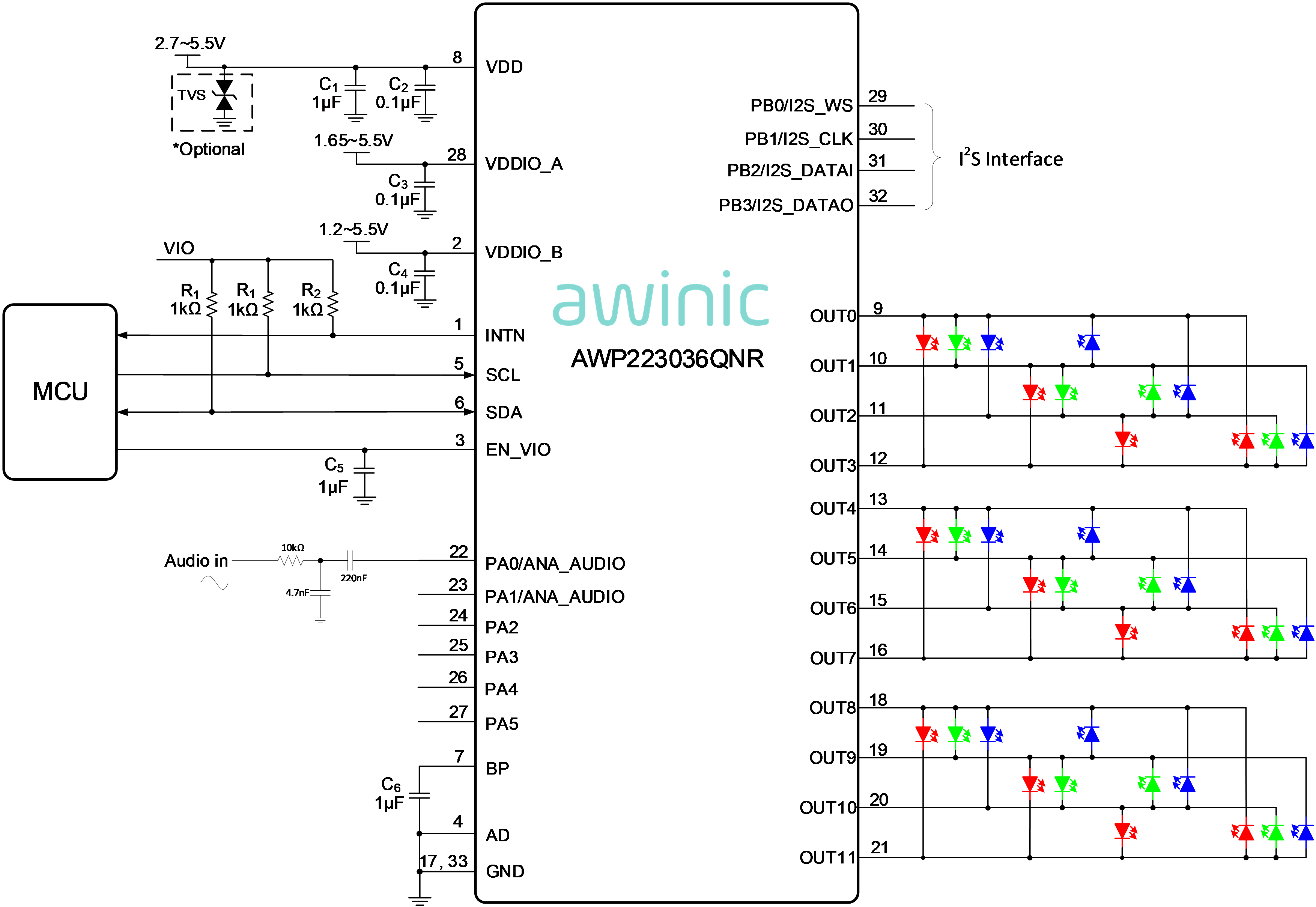
Figure 9 AWP223036QNR Typical Application Circuit Diagram
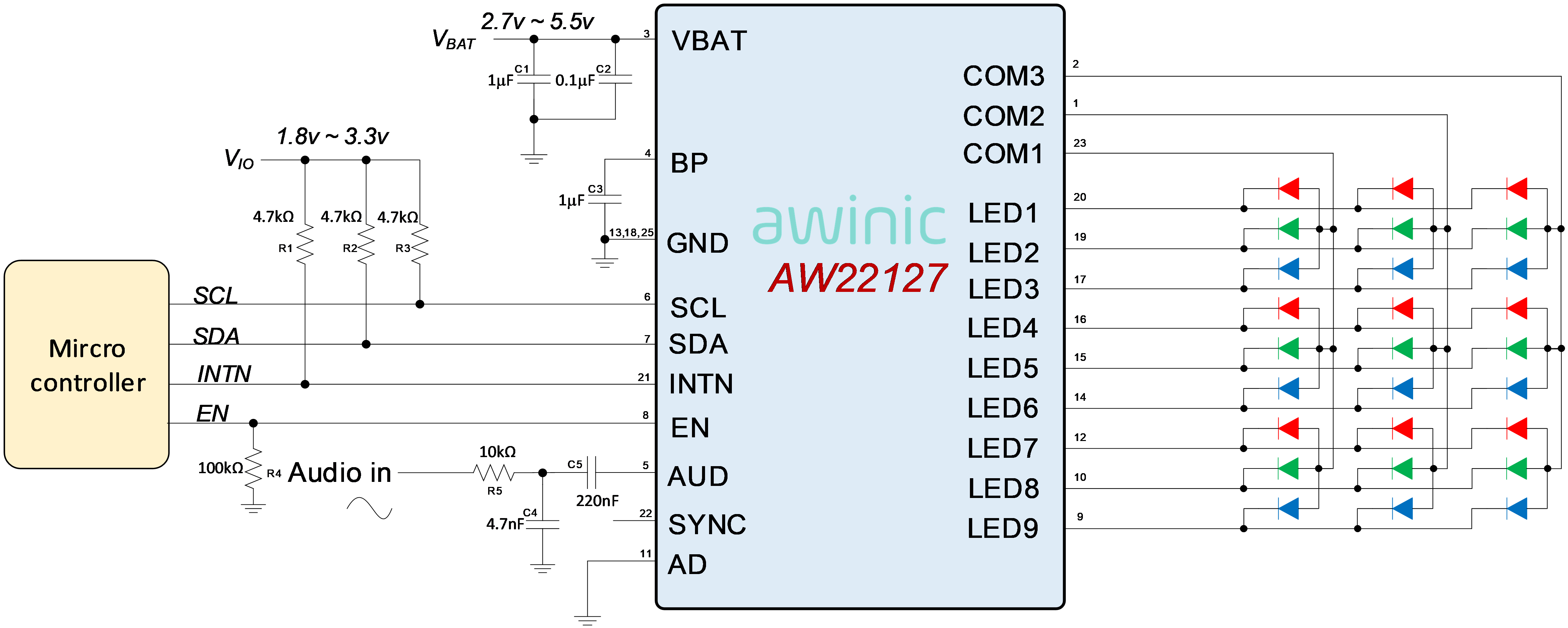
b) AW22127QNR
-
8-bit ADC,PGA(-12dB~51dB AGC)
-
Matrix mode drives 27 units of LED / 9 units of RGB
-
8-bit color mixing + 12-bit PWM dimming
-
Maximum single-channel 75mA
-
Built-in audio-light synchronization algorithm, supports custom lighting firmware and online updates
-
Supports cascading multiple chips
-
QFN 4mm×4mm-24L
Figure 10 AW22127QNR Typical Application Circuit Diagram
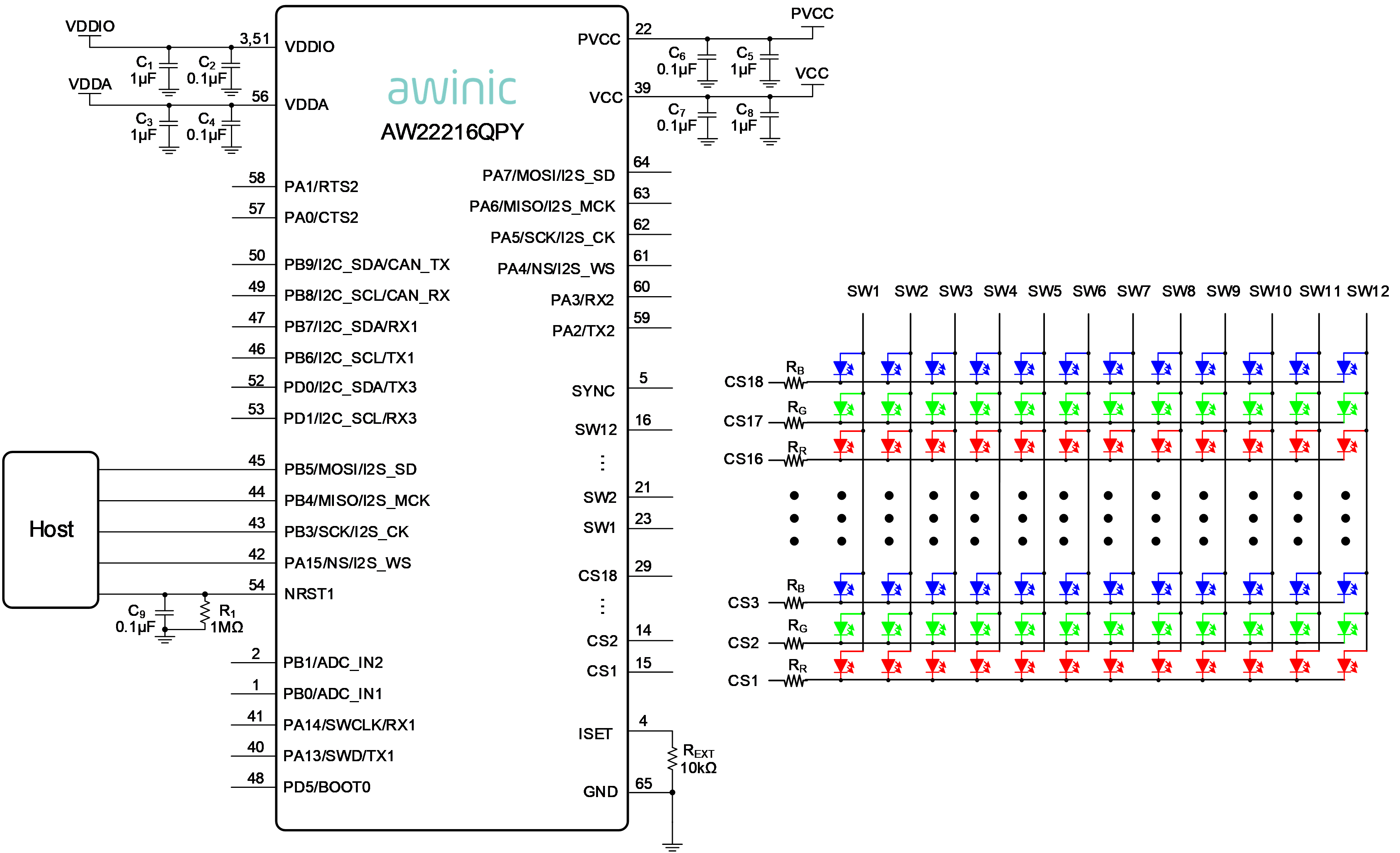
c) AW22216QPY
-
Colorful music-sync lighting, supports digital&and analog audio input to achieve music-sync lighting effects
-
Total 21 GPIO, reusable functions
-
8bit Global Current
-
8bit DCConstant Current Color Mixing
-
8bit PWMBrightness Adjustment
-
3Group Autonomous BreathingPattern
-
Multi-chip Clock Synchronization, suitable for large-scale light arrays
-
EMI & Audio Noise Suppression
Fig. 11 AW22216QPYTypical Application Diagram
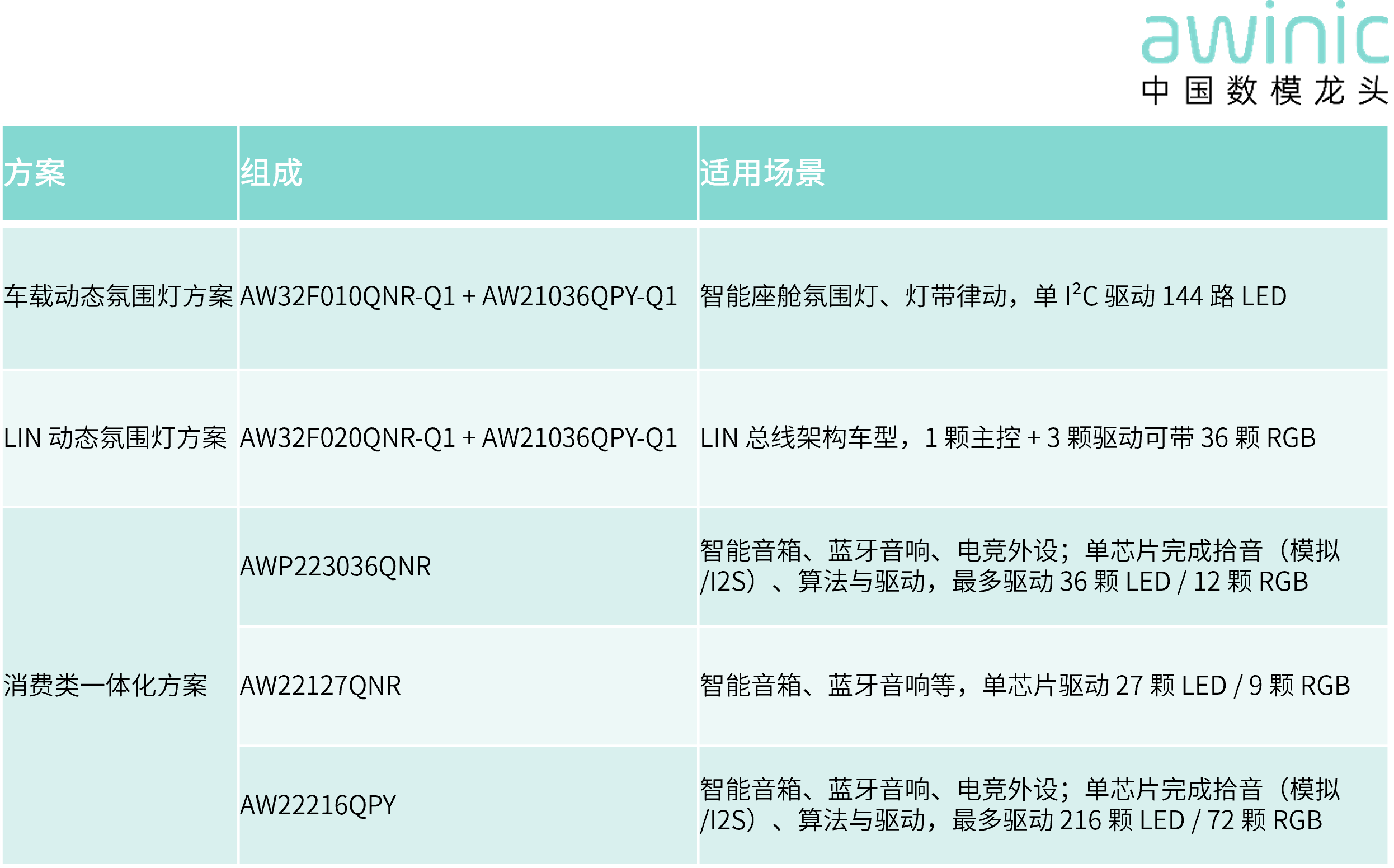
4 Recommended Music-Reactive Lighting Combination Solutions
6. Summary
awinic's music-reactive lighting solution revolves around“audio capture—algorithm processing—lighting driver”to build a complete technical chain: multi-channel pickup input compatible with PA,MIC, headphone jack, and I2S digital audio sources; acoustic psychology algorithms and envelope recognitionensure precise synchronization between lighting effects and music;volume normalization, sound field self-calibration, and dynamic enhancement technologiesenable natural rhythmic effects under different music styles and volume conditions.Building on this, theAI Emotional Ambient Lightingsolution utilizes music style recognition and color fusion algorithms to further express musical emotions through lighting effects, while supporting image background color analysis, screen color following, and other multi-scenario联动.
Chip solutions coverAutomotiveandConsumerTwo Major Fields: Automotive-gradeAW32F010QNR-Q1/AW32F020QNR-Q1Paired withAW21036QPY-Q1SupportingIntelligent Cockpit Dynamic Ambient Lighting, consumer-gradeAWP223036QNR/AW22127QNR/ AW22216QPYSingle-chip integration of pickup, algorithms, and drivers. The same algorithm architecture is applicable across different fields.