As portable devices pursue multi-functional integration, battery
life remains the core bottleneck for wearable devices and portable imaging
systems. Today, smartwatches, bands, and other wearables not only need to
perform PPG health monitoring (e.g., heart rate, blood oxygen) but also
incorporate diverse functions. Meanwhile, portable imaging devices are becoming
thinner and more compact while pursuing high-definition recording, fast
autofocus, and optical image stabilization. The addition of features continuously
increases power consumption, yet due to portability constraints, the built-in
battery capacity cannot be significantly increased. The shortcomings of
traditional power solutions are becoming increasingly apparent. Insufficient
battery life has become a key factor limiting user experience and hindering
industry upgrades. How to achieve longer, stable operation with limited power
is a core challenge the industry urgently needs to solve.
AWINIC Electronics has launched the new ultra-low-power
Buck-Boost AWP3770X series chips, comprehensively optimized in terms of
quiescent current, conversion efficiency, and dynamic adaptability. It
precisely solves the pain points of traditional solutions—high quiescent
current, insufficient conversion efficiency, and poor dynamic
adaptability—providing an efficient, stable, and low-noise voltage output
solution for smart terminals.
I. PPG Power Supply Pain Points and Solutions
1. Low VF LED Necessitates Power Solution Upgrades
In wearable devices, PPG (photoplethysmography) technology is
widely used for heart rate and blood oxygen monitoring. To further reduce
overall device power consumption, the industry is gradually adopting LEDs with
lower forward voltage (VF), reducing the operating voltage of PPG modules from
the traditional 4.5V to 3.5V. However, the fully charged voltage of a watch's
built-in lithium battery is about 4.2V, significantly higher than the module's
actual power supply requirement. Traditional Boost circuits cannot step down
voltage, failing to meet the wide-voltage power supply requirement that needs
both step-down and step-up capabilities.
The Buck-Boost architecture, which offers both step-up and
step-down capabilities, thus becomes a more suitable choice. It can flexibly
adjust the output voltage based on the battery's remaining charge, ensuring
stable operation across the entire battery range, perfectly matching the power
supply requirements of low VF LEDs.
2. Battery Life Pressure from Continuous Lighting and Solutions
PPG functionality relies on the cooperation of LED illumination
and photodiode signal reception. Even if LEDs are lit intermittently at low
frequencies, the accumulated power consumption over long-term wear remains
high, directly limiting wearable device battery life. Additionally, the
instantaneous current surge each time the LED lights up can easily cause supply
voltage droop. Given PPG sampling's high precision, voltage droop can lead to
distorted sampling data, forcing the system to extend lighting time to ensure
accurate data sampling. Furthermore, after load transient stabilization, the
supply ripple must remain highly consistent over multiple sampling periods;
significant ripple differences directly degrade sampling data consistency.
Thus, PPG presents two core challenges for the power supply:
First, the load transient response speed must be fast.
Second, the ripple consistency after load transient
stabilization must be good. These two factors directly determine the battery
life and monitoring accuracy of wearable devices.
Addressing these stringent requirements, the AWP3770X series
demonstrates excellent performance: load transient recovery time is controlled
within 10μs, outperforming the industry norm of over 15μs; ripple deviation
after multiple transients remains within 10mV, significantly better than the
typical 25mV+ seen in competing products. With fast response and excellent
ripple control, this solution effectively improves battery life and monitoring
accuracy, highly matching the power supply needs of PPG applications.

Figure 1 AWP3770X Dynamic Transient Results
II. VCM Power Supply Pain Points and Solutions
1. Energy Waste from Fixed-Voltage Supply and Solutions
In imaging systems, traditional VCM (Voice Coil Motor) solutions
often use a fixed high-voltage LDO power supply. Since the VCM load impedance
is fixed, its operating current changes dynamically with AF (Auto Focus)/OIS
(Optical Image Stabilization) conditions. In low-current operating scenarios,
the voltage actually required by the VCM should ideally decrease accordingly,
but the fixed high-voltage supply continues to output the rated high voltage,
causing excess voltage to be converted into wasted power. This not only
increases system heat but also directly shortens device battery life.
Therefore, adopting a dynamic voltage adjustment scheme, where
the supply voltage matches the motor's operating current in real-time to
fundamentally eliminate energy waste, has become an inevitable trend in VCM
power supply design.
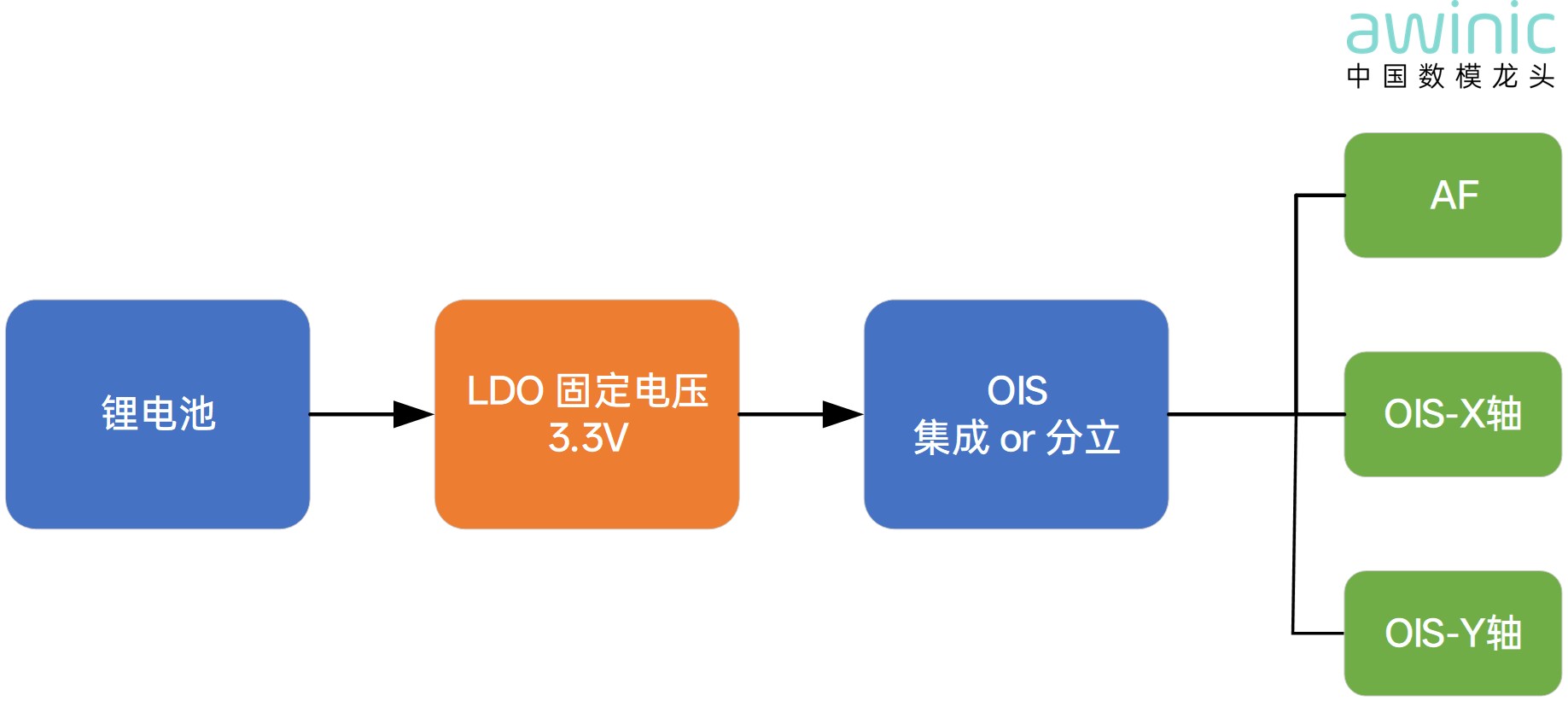
Figure 2 Traditional VCM Power Supply Scheme
Targeting the energy efficiency bottleneck of traditional
fixed-voltage VCM supplies in imaging systems, AWINIC introduces the AWP37702
Buck-Boost dynamic power supply chip, providing an efficient and
easy-to-implement solution. Compared to traditional solutions, dynamic voltage
supply offers two core advantages:
On one hand, the supply voltage can be dynamically adjusted
based on the motor's actual operating current, reducing wasted power at the
source. The chip follows AF/OIS control signals in real-time, flexibly
adjusting output voltage to precisely match the motor's instantaneous current
demand, avoiding energy waste caused by fixed high voltage. This reduces power
consumption, lowers heat generation, and extends battery life without affecting
autofocus speed or stabilization performance.
On the other hand, the Buck-Boost switching architecture is
significantly more efficient than traditional LDOs. Traditional LDOs use linear
step-down, resulting in low efficiency and significant heat generation when the
voltage difference is large. The AWP37702 uses a switching Buck-Boost
architecture, achieving higher power conversion efficiency. For example, under
4V to 3.3V/0.2A conditions, efficiency can reach 95%, far higher than the
roughly 82.5% of traditional LDOs.
Actual tests show that compared to traditional fixed-voltage
solutions, the VCM dynamic voltage supply based on the AWP37702 achieves an
average power saving of about 33%, making it an ideal choice for
next-generation imaging system power design.
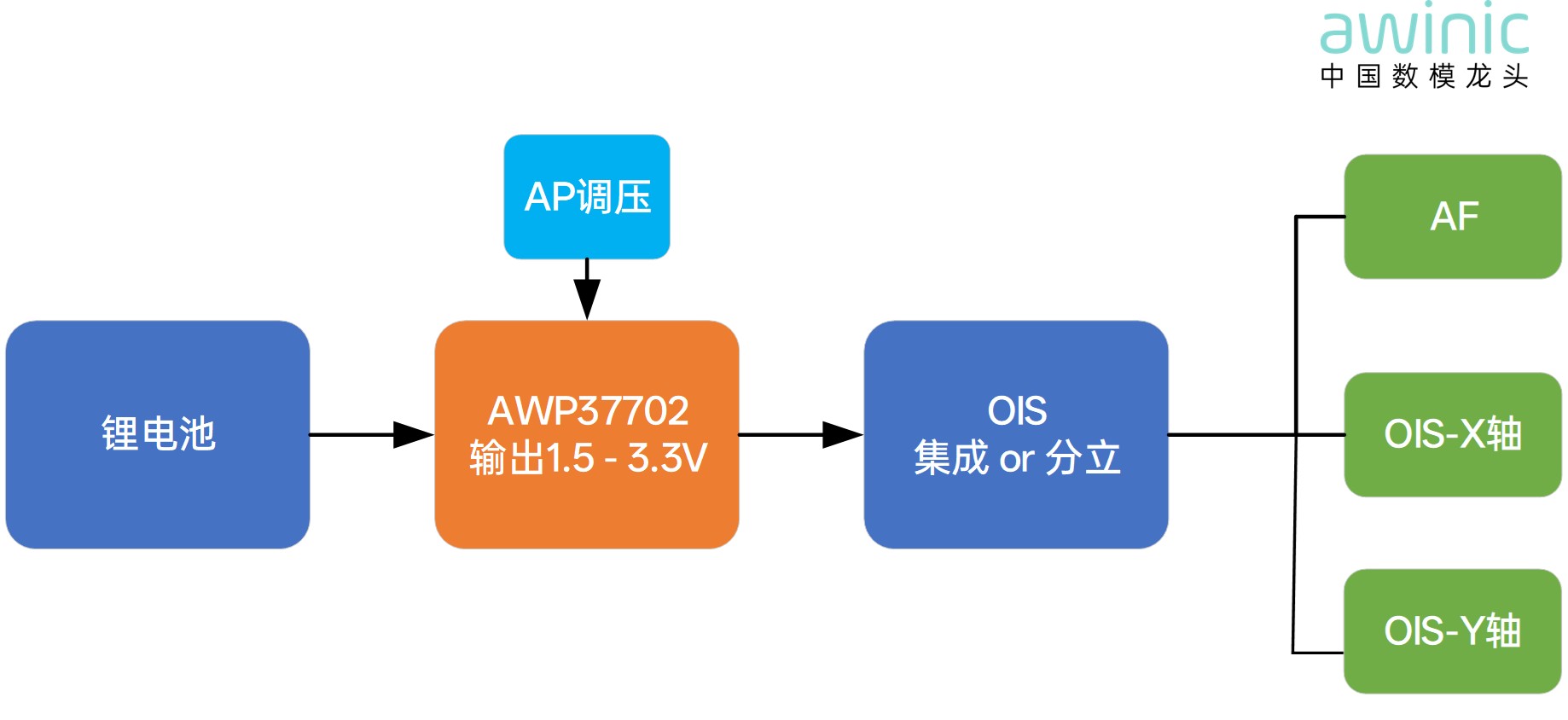
Figure 3 VCM Dynamic Voltage Supply Scheme
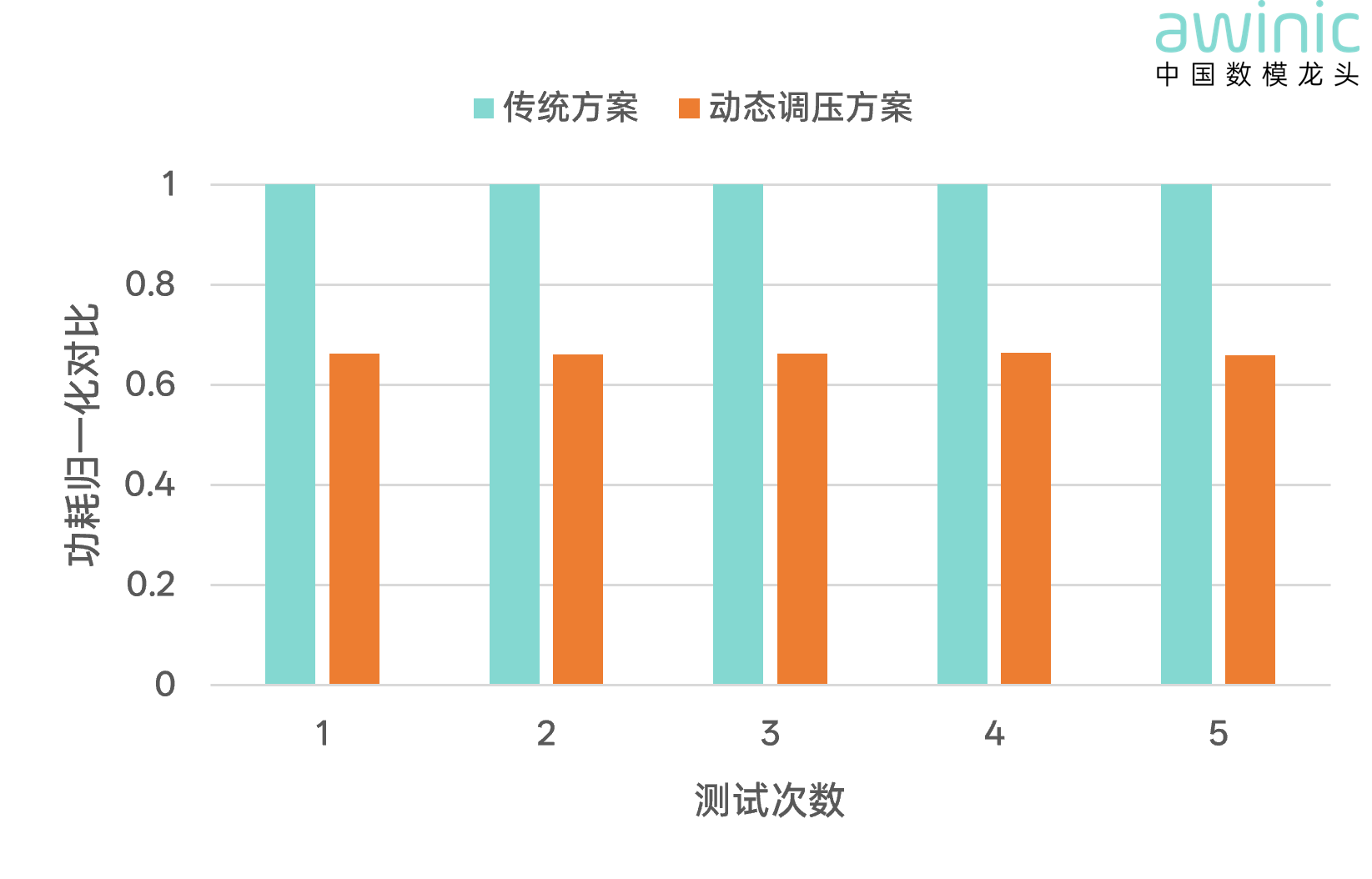
Figure 4 Power Consumption Comparison:
Traditional VCM Supply vs. Dynamic Voltage Supply
AWP3770X Product Introduction
· Input Voltage Range: 2.2V ~
5.5V
· Output Voltage Range: 2.025V
~ 5.2V (AWP37701Z) / 1.4V ~ 4.575V (AWP37702)
· Ultra-Low Quiescent Current: 2.8μA
· Ultra-Low Shutdown Current: 0.3μA
· Supports Dynamic Voltage Scaling Control
o AWP37701Z
Slew Rate: 1V/ms, 2.5V/ms, 5V/ms, 10V/ms
o AWP37702
Slew Rate: 2V/ms, 5V/ms, 10V/ms, 20V/ms
· Auto PFM Mode and Forced PWM Mode
· Up to 1MHz I2C Interface (supports 1.2V
I/O level)
· Maximum Continuous Output Current:
o Up to 0.8A
at VIN ≥ 2.2V, VOUT = 3.5V
o Up to 1A at
VIN ≥ 2.5V, VOUT = 3.5V
o Up to 1.5A
at VIN ≥ 3.3V, VOUT = 3.5V
· Miniaturized Solution: WLCSP
1.3mm×1.3mm-9B chip + 0603 inductor (1.6mm×0.8mm), capable of meeting 1.5A load
requirements.
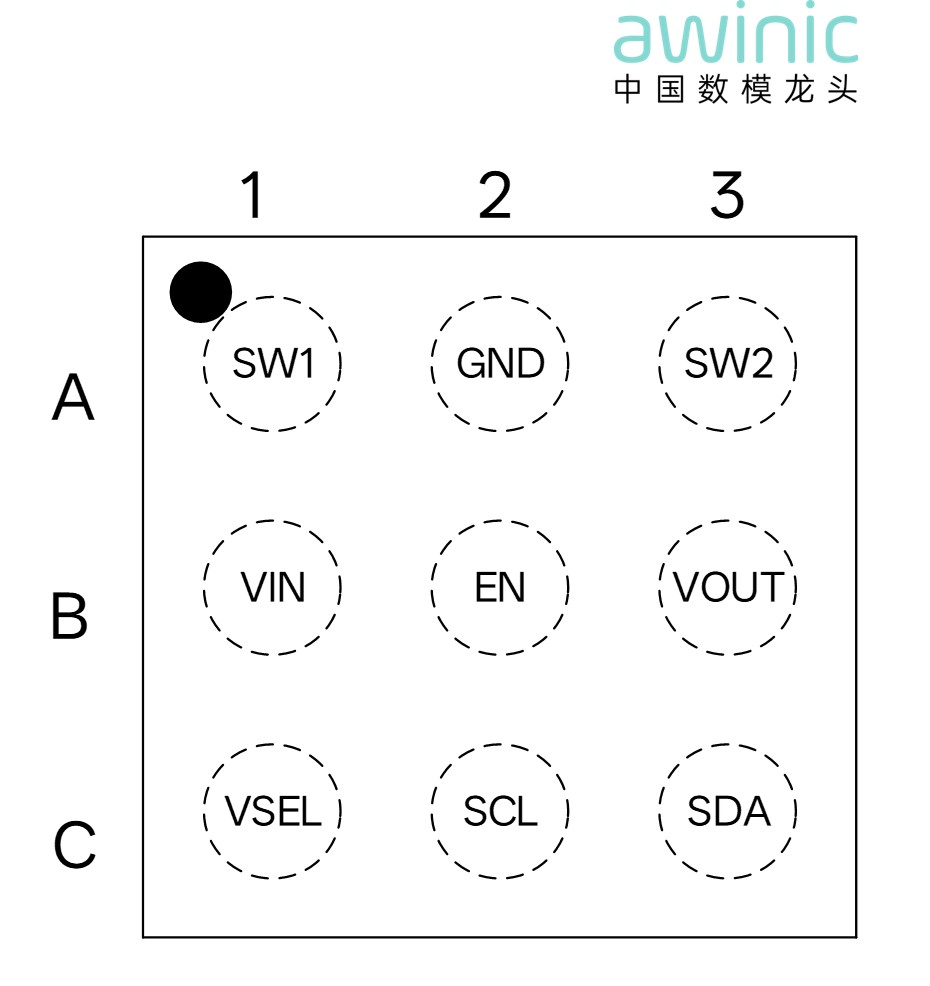
Figure 5 AWP3770X Package Information
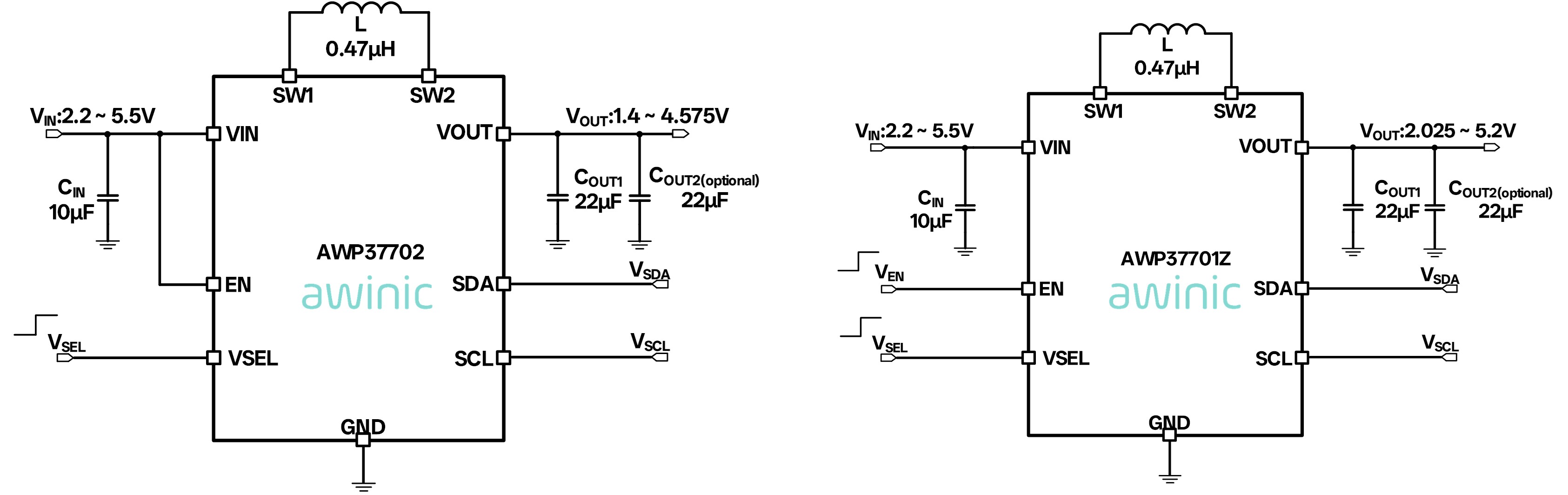
Figure 6 AWP3770X Typical Application Diagram
From
precision PPG power supply for wearables to dynamic voltage scaling for VCM in
imaging systems, AWINIC's AWP3770X series Buck-Boost chips deliver lower
quiescent current, faster transient response, and higher conversion efficiency,
effectively solving the dual challenges of battery life and performance in
portable devices. As end products continue to trend towards thinner, lighter,
and more multi-functional designs, efficient power solutions have become key to
enhancing product competitiveness. Moving forward, AWINIC will continue to
deeply explore power technologies, providing better components and solutions to
drive sustained momentum for wearables, imaging systems, and more smart
terminal applications.